AZ 480-999-4242
When your air conditioner stops working properly, the discomfort sets in quickly. Understanding how AC repair experts diagnose and fix common problems helps you stay informed, avoid delays, and make confident decisions about your system.
Early diagnosis plays a critical role in preventing major issues. Small problems, if left unresolved, can lead to expensive repairs or complete system failure. Professional HVAC technicians use specialized tools and extensive training to identify the root cause efficiently. Their expertise ensures accurate solutions and restores comfort faster.
In this blog, we’ll explain how AC repair experts assess your system, what they look for during inspections, and how they fix the most common air conditioning issues. By knowing what to expect, you’ll feel more prepared when your next service visit comes around.
The value of expert diagnosis
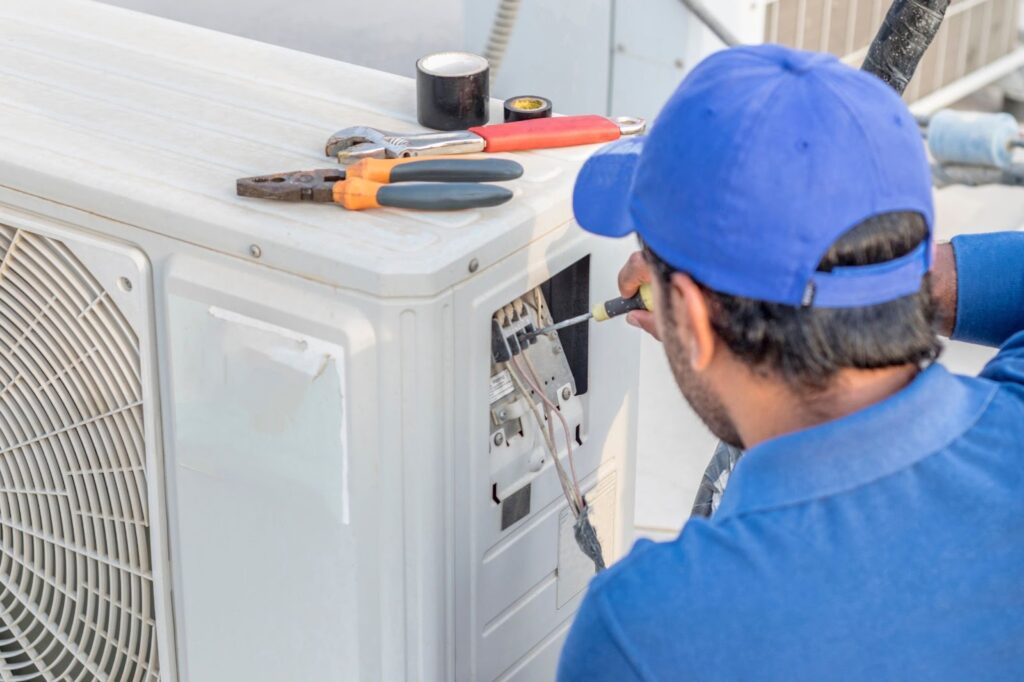
When your air conditioner stops working or shows signs of trouble, it may be tempting to troubleshoot the problem yourself. While simple tasks like changing a filter are safe for homeowners, guessing at larger issues or attempting DIY repairs often leads to bigger problems.
Without the right knowledge, you risk damaging the system, voiding the warranty, or creating a safety hazard.
Licensed HVAC technicians bring years of training and hands-on experience to every repair. They know how to diagnose both obvious and hidden issues using advanced tools and industry-specific methods. From electrical testing equipment to refrigerant pressure gauges, professionals use technology that ensures accurate results and safe repairs.
Hiring a certified HVAC professional gives you peace of mind. They follow industry standards, complete repairs correctly the first time, and offer long-term solutions instead of quick fixes. With a professional on the job, your system gets the care it needs to run efficiently, reliably, and safely, even during the hottest days of the year.
Common AC problems homeowners notice
When your air conditioner starts acting up, the warning signs are often hard to miss. Catching these issues early can help you avoid major breakdowns and costly repairs.
Warm air blowing from the vents is one of the most common red flags. This issue could indicate low refrigerant, a malfunctioning compressor, or even an incorrect thermostat setting.
Weak airflow often indicates a clogged air filter, dirty coils, or problems with the ductwork. Poor circulation not only reduces comfort but also forces your system to work harder, driving up energy use.
Strange noises during operation, such as grinding, rattling, or buzzing, usually signal mechanical trouble. These sounds may come from loose parts, failing motors, or electrical issues, and they should never be ignored.
Water leaks around the indoor unit suggest a blocked condensate drain line or a frozen evaporator coil. Moisture near your system can cause water damage and lead to mold if not addressed quickly.
Short cycling, where the system turns on and off frequently, or failure to turn on at all, points to electrical problems, thermostat malfunctions, or low refrigerant. These issues reduce efficiency and put unnecessary strain on your equipment.
If you notice any of these symptoms, call a professional to inspect your system. Addressing the problem early can prevent further damage and keep your home cool and comfortable.
How technicians identify the root cause
When an air conditioner stops working properly, trained technicians take a systematic approach to find the cause. They start with a full system inspection and ask targeted questions about recent performance, unusual sounds, energy usage, and when the issue began. These details help them zero in on potential problems quickly.
Checking the thermostat
They begin by checking the thermostat. Technicians confirm it’s calibrated correctly, wired properly, and set to the right mode. If the thermostat fails to send clear signals, the entire system can malfunction.
Refrigerant levels
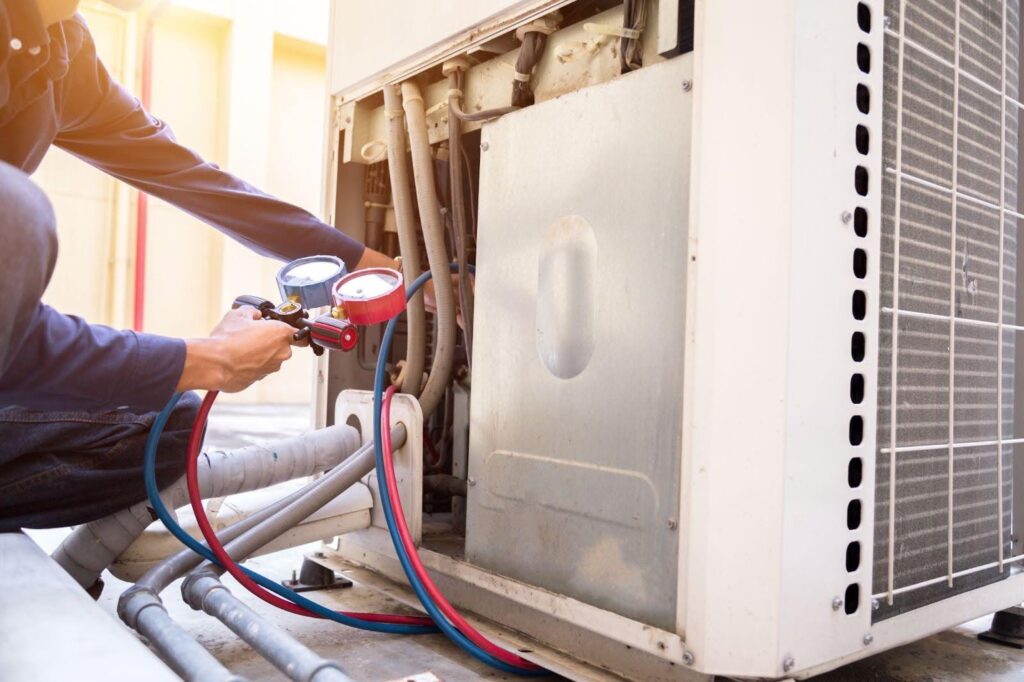
Next, they test refrigerant levels and pressure. If the system runs low on refrigerant, it may blow warm air, freeze up, or short-cycle. Technicians look for leaks and determine whether they need to seal and recharge the system.
Inspecting air filters, coils, and ductwork
They also inspect the air filter, coils, and ductwork. Dirty filters and blocked coils reduce airflow and strain the system. Leaky or disconnected ducts send cooled air into the wrong places, lowering overall efficiency.
They examine electrical components such as capacitors, contactors, and wiring using specialized tools. Faulty parts or loose connections often cause performance issues or prevent the unit from turning on.
By inspecting every part of the system and using diagnostic equipment, technicians identify the root cause and provide an accurate solution that keeps the system running safely and efficiently.
How professionals fix common issues
Once technicians diagnose the problem, they use proven methods to restore your air conditioner’s performance. Each repair requires a different approach, depending on the issue, and professionals rely on their training and tools to get the job done right.
Low refrigerant or refrigerant leak
Technicians use electronic leak detectors or ultraviolet dye to locate refrigerant leaks accurately. Once they identify the source, they seal the leak using industry-approved materials and recharge the system to the correct pressure. Restoring the right refrigerant level helps the system cool efficiently and prevents future strain on the compressor.
Dirty coils or clogged filters
Dust, pet hair, and debris can build up on evaporator and condenser coils, reducing airflow and causing the system to overheat. Depending on the severity of the buildup, technicians clean these coils with specialized brushes or chemical cleaners.
They also check the air filter and replace it with a new one if it’s dirty, helping the system breathe easier and operate more efficiently.
Electrical or capacitor failure
Technicians inspect electrical components if the system won’t start or frequently trips the breaker. They test capacitors, contactors, and connections using a multimeter to ensure safe operation. When they find faulty parts, they replace them with compatible components that meet the manufacturer’s specifications.
Drain line clogs and water leaks
Water pooling around the indoor unit usually points to a blocked condensate drain line. Technicians flush the line with pressurized water or use vacuum equipment to remove the blockage. They also inspect the drain pan and surrounding components to prevent future leaks and mold growth.
Preventive measures and long-term care
Preventive maintenance keeps your air conditioning system running efficiently and reliably. Regular tune-ups help you avoid sudden breakdowns, improve performance, and extend the life of your equipment.
Scheduling routine inspections in the spring and fall gives technicians the opportunity to clean key components, test system controls, and identify potential issues before they become serious problems. This proactive care reduces the risk of unexpected repairs during peak cooling or heating seasons, when HVAC systems face the most stress.
Enrolling in a service plan makes maintenance even easier. Many HVAC companies offer memberships that include seasonal tune-ups, priority scheduling, and discounted repairs. These plans help you stay on top of maintenance while saving money and ensuring your system gets professional attention year after year.
Investing in long-term care boosts energy efficiency, maintains consistent comfort, and protects your HVAC system from premature wear. A little effort now leads to fewer headaches and greater peace of mind in every season.
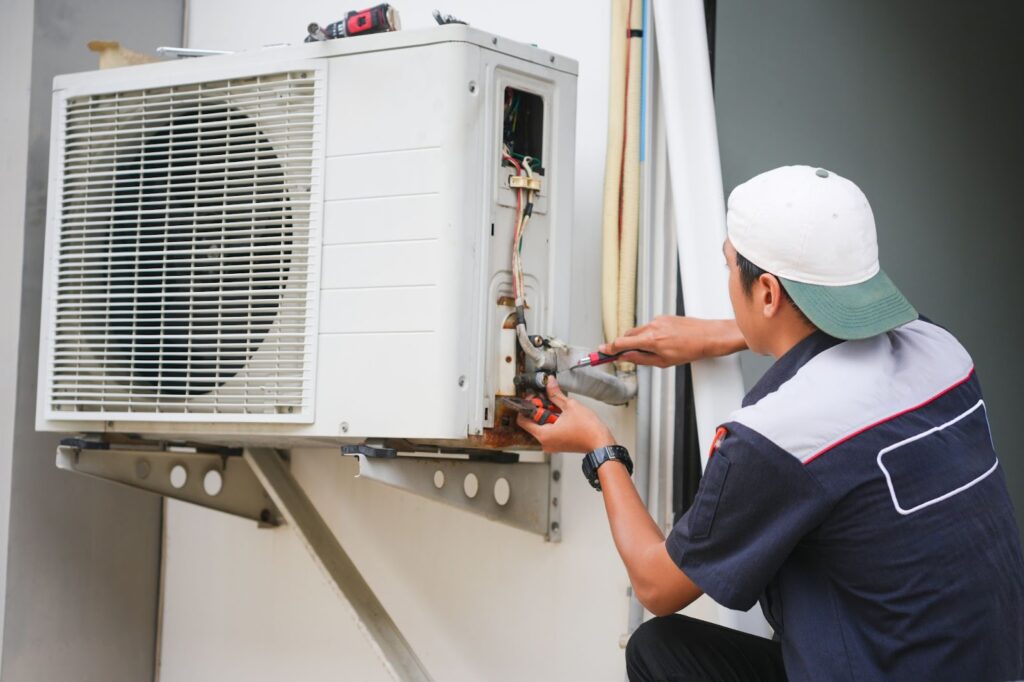
Paragon Service Pros are your AC repair experts
From detecting hidden refrigerant leaks to clearing stubborn drain line clogs, professional HVAC technicians rely on years of training, hands-on experience, and specialized tools to pinpoint issues and restore your system’s performance. They ensure every component runs safely, efficiently, and in sync, so your home stays cool and your energy bills stay low.
When your comfort is on the line, trust Paragon Service Pros to deliver dependable, high-quality service every step of the way. Our certified technicians provide thorough inspections, honest recommendations, and fast, effective repairs tailored to your system’s needs. We believe in doing the job right the first time and building long-term solutions that last through every season.
Don’t let a small problem turn into a major repair. Schedule your AC inspection or repair with Paragon Service Pros today and experience the honest service, expert care, and unbeatable peace of mind your home deserves.
Your air conditioner works hard to keep your home comfortable, especially during the year’s hottest months. To keep it running at peak performance, regular tune-ups are essential. These routine checkups help your system operate more efficiently, cool your home more evenly, and last longer.
Skipping maintenance can lead to costly consequences. Without regular service, your AC system may suffer from reduced efficiency, frequent breakdowns, and a shortened lifespan. Dirty coils, clogged filters, and worn components cause discomfort and drive up your energy bills.
In this blog, we’ll explain how often you should schedule an AC tune-up, why consistent maintenance matters, and how it can save you money over time. Knowing the right maintenance schedule helps you avoid headaches and stay cool when it matters most, whether your system is brand new or over a decade old.
The general rule: Once a year
For most homeowners, scheduling one AC tune-up each year is the best way to keep the system performing at its best. HVAC experts recommend annual maintenance for central air systems to ensure efficiency, reliability, and comfort throughout the summer.
The ideal time to schedule your AC tune-up is early spring, before the cooling season kicks into full gear. A spring appointment gives your technician time to inspect, clean, and fine-tune your system before it faces hot weather demands. You also avoid the summer rush when service calls take longer to book.
A standard tune-up includes a thorough inspection of all major components. Technicians check refrigerant levels, clean the condenser and evaporator coils, inspect electrical connections, lubricate moving parts, test system controls, and calibrate the thermostat. They also examine airflow, replace dirty filters, and look for signs of wear that could lead to breakdowns.
By keeping up with this yearly service, you help your AC run more efficiently, avoid mid-season emergencies, and extend the life of your equipment. It’s a simple step that delivers big returns in comfort and cost savings.
Why yearly maintenance matters
Scheduling yearly AC maintenance protects your comfort, your wallet, and your system’s long-term performance. A well-maintained air conditioner uses less energy, cools more effectively, and operates with less strain.
When technicians clean coils, check refrigerant, and tune up components, your system doesn’t have to work as hard to deliver consistent cooling. This improved efficiency leads to lower energy bills and more reliable performance.
Annual tune-ups also help catch small issues before they turn into major problems. A loose wire, clogged drain line, or low refrigerant level may not cause immediate failure, but if left unchecked, these problems can lead to breakdowns or even total system replacement. Addressing these concerns early keeps repair costs down and prevents surprise emergencies during the hottest days of the year.
Most importantly, regular maintenance keeps your AC system running safely. Technicians inspect electrical connections, test controls, and check for warning signs that could affect performance or safety. With a yearly tune-up, you stay ahead of problems and give your cooling system the support it needs to keep your home comfortable all season long.
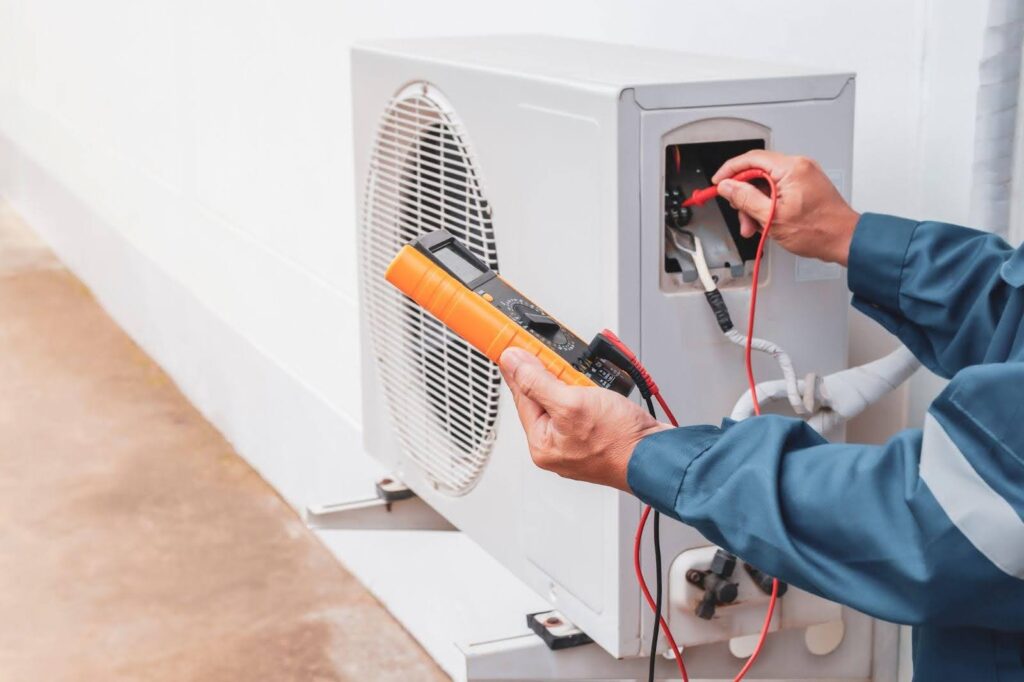
When you might need more frequent tune-ups
While one annual tune-up works for most homes, certain situations call for more frequent maintenance. If your system runs harder or faces extra strain, scheduling service twice a year helps protect performance and prevent early wear.
Homes in hotter climates often rely on air conditioning for most of the year. With longer cooling seasons and heavier use, these systems benefit from spring and mid-season tune-ups to stay efficient and reliable.
If your air conditioner is more than 10 years old, it likely needs extra attention. Older units tend to lose efficiency, and regular checkups help catch small issues before they cause serious problems or lead to system failure.
Homes that use heat pumps for both heating and cooling also demand more from their equipment. Since these systems run nearly year-round, a spring and fall tune-up helps them transition smoothly between seasons and maintain peak performance.
You may also need more frequent service if your household includes pets, allergy sufferers, or residents with respiratory concerns. Pet hair, dander, and airborne particles clog filters faster and affect indoor air quality. Additional maintenance ensures your system stays clean and continues to provide healthy, consistent airflow.
Signs your AC may be overdue for service
Your air conditioner often gives early warning signs when it needs attention. Ignoring these signals can lead to higher energy costs, poor performance, and unexpected breakdowns. Recognizing the symptoms early helps you schedule a tune-up before bigger problems arise.
If your system blows warm air instead of cool, it may be struggling with low refrigerant, a clogged filter, or a faulty compressor. These issues reduce comfort and signal that your system needs professional care.
Unusual sounds such as grinding, rattling, or buzzing often indicate loose parts, motor issues, or electrical problems. Strange odors, especially musty or burning smells, may point to mold growth, overheating components, or dirty filters. These conditions impact performance but also affect indoor air quality and safety.
Weak airflow or uneven cooling throughout your home suggests restricted ducts, dirty coils, or a failing blower motor. When rooms feel stuffy or fail to cool evenly, it’s time to inspect your system.
Another red flag is a sudden spike in your energy bills without any increase in usage. As efficiency drops, your air conditioner runs longer to reach the desired temperature, consuming more electricity in the process.
If you notice any of these signs, schedule a tune-up as soon as possible. Prompt maintenance restores efficiency, improves comfort, and helps you avoid costly repairs down the road.
What to expect during a professional tune-up
A professional AC tune-up goes far beyond a quick glance or filter change. It involves a detailed inspection and precise adjustments that keep your system running at its best. Knowing what happens during this service helps you understand its value.
During a tune-up, your technician performs a series of important tasks to restore efficiency and prevent problems. They clean the evaporator and condenser coils to remove dirt and buildup that reduces cooling power. They check refrigerant levels to ensure proper pressure and spot any early signs of a leak.
Electrical components get a full inspection to confirm safe connections and reliable startup. The technician tests the thermostat and calibrates it for accuracy and measures airflow to identify any blockages or imbalances.
These steps help your system run smoothly, cool more effectively, and use less energy. Regular professional maintenance also reduces wear on parts, minimizes the risk of breakdowns, and extends the life of your unit. Over time, a well-maintained system delivers better comfort and lower energy costs.
Working with a licensed HVAC technician ensures the job is done correctly and safely. Certified professionals follow manufacturer guidelines, use specialized tools, and know how to identify issues that may not be obvious. Their expertise protects your investment and gives you confidence that your system is ready for the season ahead.
Frequently asked questions
How long does an AC tune-up usually take?
A typical AC tune-up takes between 60 and 90 minutes, depending on the system’s age, condition, and accessibility. If your technician discovers any issues during the inspection, additional time may be needed for minor repairs or adjustments.
Is it better to schedule a tune-up in spring or fall?
Spring is the best time to schedule a tune-up for cooling systems. This fully prepare your AC for the summer heat. Fall is better suited for heating system maintenance. If you use a heat pump year-round, consider scheduling service in both spring and fall.
Does a tune-up include replacing parts?
Tune-ups focus on inspection, cleaning, and calibration. If your technician finds a worn or failing part, they’ll recommend a replacement. Any repairs or parts replacements typically come with a separate cost and are discussed before work begins.
Can I skip a tune-up if my AC seems to be working fine?
Even if your system appears to be running normally, hidden issues can develop over time. Routine maintenance helps prevent small problems from turning into major repairs and ensures your system continues to operate efficiently.
Will regular tune-ups help maintain my warranty?
Yes, most manufacturers require regular professional maintenance to keep warranties valid. Skipping service could void your warranty and leave you responsible for repair costs that would otherwise be covered.
How do I know if my technician did a thorough job?
Reputable HVAC companies provide a detailed checklist or service report after each tune-up. This document outlines what was inspected, cleaned, adjusted, or recommended for future service. If you don’t receive one, ask for it.
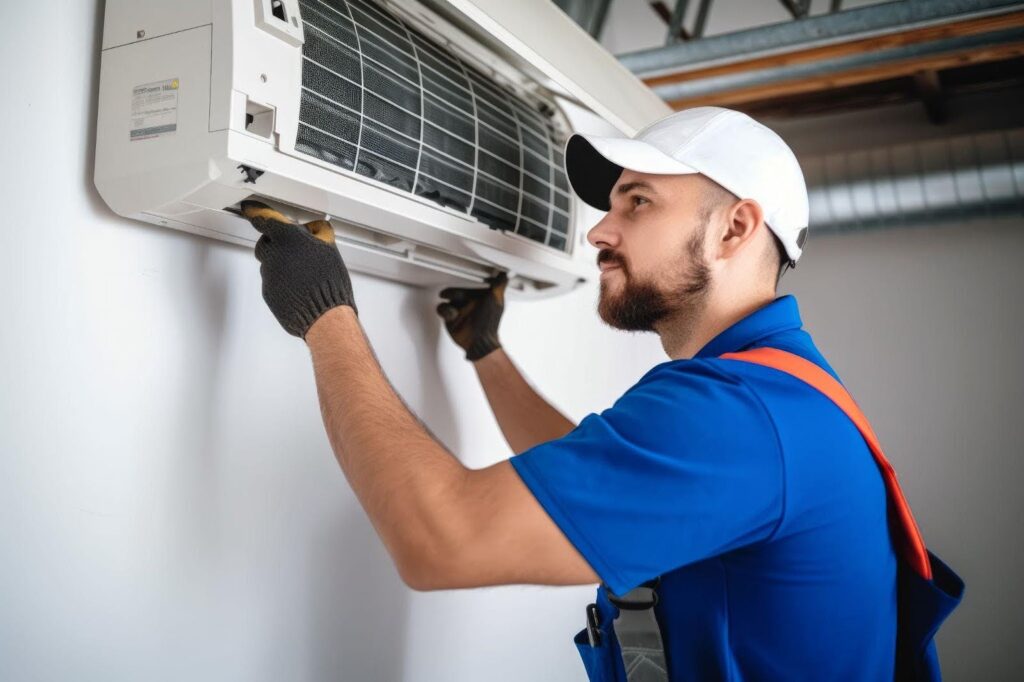
Let Paragon Service Pros pump up your AC system
Scheduling regular AC tune-ups is one of the smartest ways to protect your comfort, lower your energy bills, and extend the life of your system. Whether your unit is brand new or nearing the end of its lifespan, routine maintenance keeps it running smoothly and helps prevent unexpected breakdowns.
For expert care and honest service, trust Paragon Service Pros. Our licensed technicians provide thorough inspections, reliable tune-ups, and personalized recommendations to keep your home cool and efficient year after year. Schedule your next AC tune-up with Paragon Service Pros and experience the difference true professionalism makes.
Your heating and cooling system works hard all year to keep your home comfortable, but without regular maintenance, it might lose efficiency, break down unexpectedly, or wear out long before it should. Consistent care keeps your system running smoothly, helps you save on energy bills, and extends the life of your equipment.
This blog shares practical, seasonal tips to help you care for your HVAC system throughout the year. Whether you’re preparing for summer heat or winter chills, these simple steps will improve efficiency, increase reliability, and keep your home feeling the way it should.
Change your air filters regularly
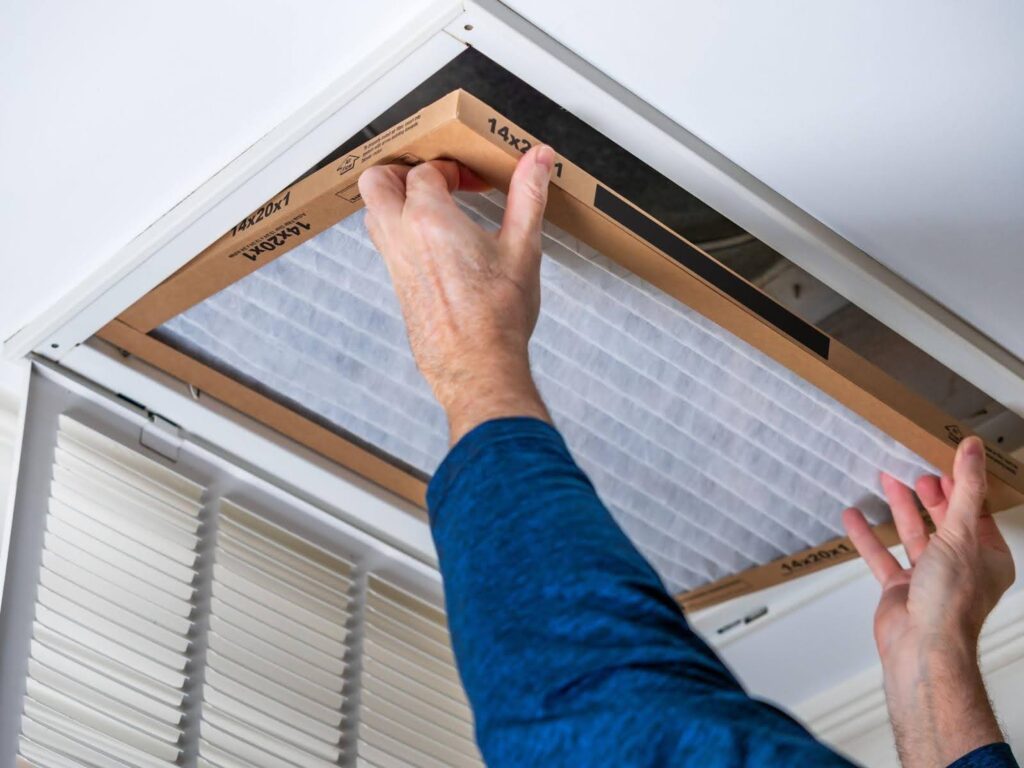
Replace your HVAC air filter every one to three months to maintain strong airflow, lower energy use, and reduce strain on your system. Homes with pets, allergies, or heavy system use may need more frequent changes.
Dirty filters force your system to work harder, leading to uneven temperatures, dust buildup, and higher utility bills. If you notice weak airflow, visible dust, or musty smells, it’s time for a replacement.
Clean filters improve efficiency, protect your equipment, and help your home stay comfortable and healthy throughout the year.
Keep vents and registers clean and unobstructed
Clean and clear vents help your HVAC system maintain strong airflow, improve comfort, and lower energy use. Dust, pet hair, and debris collect quickly, so vacuum vents regularly and wash covers with warm, soapy water when needed.
Make sure furniture, rugs, or curtains don’t block registers. Even partial obstructions force your system to work harder, leading to uneven temperatures and higher utility bills.
When air flows freely, your system heats and cools more efficiently, responds better to thermostat changes, and experiences less strain. Regular cleaning and thoughtful placement around vents can boost comfort and system performance year-round.
Schedule seasonal tune-ups
Schedule professional tune-ups in spring and fall to keep your HVAC system running at peak performance. These seasonal checkups prepare your system for extreme temperatures and help prevent breakdowns when you need heating or cooling the most.
In spring, technicians focus on your air conditioner, checking refrigerant levels, cleaning coils, and testing electrical components. In fall, they inspect burners, clean heating elements, and ensure safe operation.
Tune-ups catch small issues before they become costly repairs and help extend the life of your system. Regular professional HVAC maintenance also supports warranty protection and ensures reliable comfort year-round.
Clean around the outdoor unit
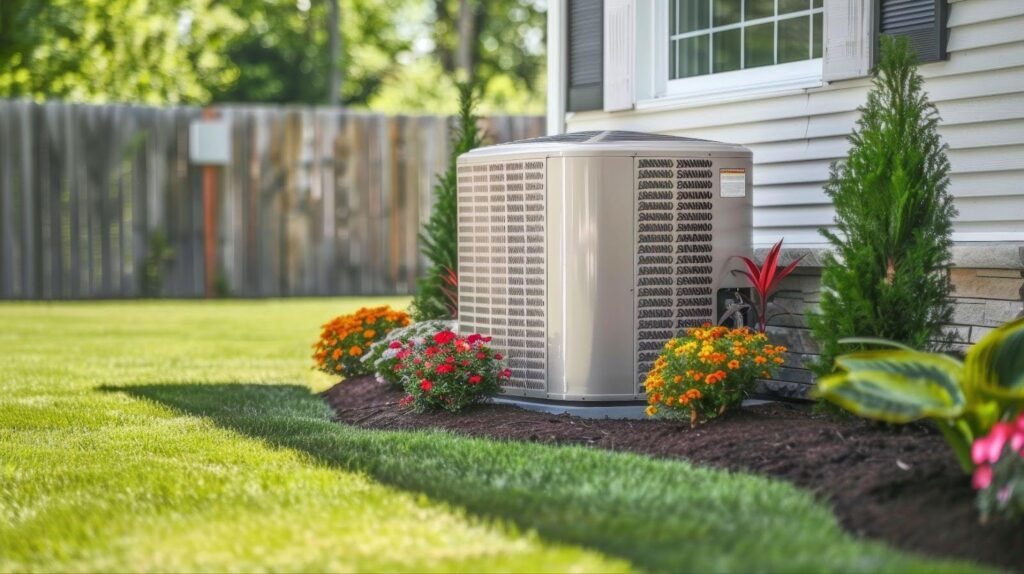
Your outdoor HVAC unit needs clear space and proper airflow to function efficiently. Leaves, dirt, and debris can block airflow and force the system to work harder, increasing energy use and wear.
Turn off the power, then remove debris from the top and sides. Use a soft brush or gentle water spray to rinse off dirt without damaging the fins. Avoid high-pressure tools that can bend components.
Keep at least two to three feet of open space around the unit. Trim shrubs, pull weeds, and remove any nearby clutter. While cleaning, check for bent fins, rust, or loose wires. If you spot damage, call a licensed HVAC technician.
Regularly cleaning the area around your unit helps prevent overheating and keeps your system running smoothly through every season.
Check your thermostat settings

Your thermostat controls how your HVAC system heats and cools your home. If it reads the temperature incorrectly or follows an inefficient schedule, your system works harder, wasting energy and reducing comfort.
Start by checking its accuracy. Compare the reading to a separate indoor thermometer. If it’s off, recalibrate or replace it. Then adjust your settings based on time of day and season — lower in winter, higher in summer — to ease the load on your system and save energy.
If you still use a manual model, consider upgrading to a smart thermostat. These devices learn your habits, adjust automatically, and give you remote control and energy insights. A well-calibrated and properly programmed thermostat helps your system run more efficiently and keeps your home consistently comfortable.
Inspect and maintain ductwork
Your ductwork moves heated and cooled air throughout your home. When it’s sealed and intact, it delivers consistent comfort and supports system efficiency. Leaks, gaps, or disconnected sections force your HVAC system to work harder, driving up energy costs and creating uneven temperatures.
Inspect visible ducts in attics, basements, or crawl spaces. Look for peeling tape, loose joints, or holes where air could escape. If certain rooms stay too warm or too cold, damaged ductwork may be the cause.
In older homes, consider professional duct cleaning. Built-up dust and debris can restrict airflow and reduce air quality. Clean, sealed ducts help your system work more efficiently, lower utility bills, and improve indoor comfort year-round.
Monitor unusual sounds or odors
Your HVAC system should run quietly and without strange smells. If you hear rattling, grinding, or buzzing, or notice musty or burning odors, something likely needs attention.
Rattling may point to loose parts or debris, grinding often signals motor issues, and buzzing could mean electrical trouble. Musty smells suggest mold, while burning odors may come from overheating components. A rotten egg smell could indicate a gas leak and calls for immediate professional help.
Call a licensed HVAC technician if you notice any of these warning signs. Addressing small issues early prevents bigger repairs, protects your equipment, and keeps your system operating safely.
Protect your system during extreme weather
Extreme weather can strain your HVAC system, but a few simple steps help prevent damage and keep it running efficiently year-round.
If you use a central AC unit, cover it in winter only if your HVAC technician recommends it. Use a breathable, approved cover to avoid trapping moisture that can cause rust. Clear away snow and ice after storms for heat pumps to maintain airflow. Never chip ice with sharp tools—use warm water or gentle methods instead.
Check refrigerant lines for missing or damaged insulation. Proper insulation prevents energy loss and helps your system maintain consistent performance during extreme heat or cold.
Seasonal upkeep protects your equipment, extends its lifespan, and keeps your home comfortable in every season.
Know when to call for professional help
Some HVAC issues go beyond DIY fixes. If your system won’t turn on, makes loud noises, leaks refrigerant, or trips the breaker, stop troubleshooting and call a licensed technician.
Certified professionals have the tools and training to handle complex repairs safely and correctly. They can spot hidden problems, ensure your system runs efficiently, and help prevent further damage.
Regular service also protects your warranty. Most manufacturers require professional HVAC maintenance to keep coverage valid. When in doubt, trust an expert to protect your comfort and your investment.
Keep your heating and cooling system in tip-top shape with Paragon Service Pros
Taking care of your heating and cooling system doesn’t have to be complicated, but it does make a big difference. Regular maintenance improves efficiency, prevents breakdowns, and extends the life of your equipment.
When you need expert professional HVAC maintenance, contact Paragon Service Pros. Our experienced technicians provide honest, reliable service to keep your home comfortable year-round. Schedule your seasonal tune-up today and experience the Paragon difference.
Installing a new air conditioning system is a major investment, and understanding the true cost helps you plan with confidence. Whether you’re upgrading an aging unit or installing AC in a new home, knowing what drives pricing can help you avoid unexpected expenses and make smarter choices.
Many homeowners worry about fluctuating price ranges, hidden fees, and whether the system they choose will deliver long-term value. With so many variables — from equipment type to labor rates — it’s easy to feel overwhelmed or unsure of where your money is going.
This blog breaks down what you can expect when budgeting for AC installation. You’ll learn what factors influence cost, which additional expenses to consider, and how to choose a contractor who delivers lasting comfort without overcharging. If you want a cooling system that fits your home, your needs, and your budget, this guide will help you get there.
What influences the cost of AC installation?
The cost to install a new air conditioning system varies widely based on several important factors. Understanding what influences the total price helps you plan ahead and choose a system that fits your home and budget.
System type plays a big role in the final cost
Central air conditioning, ductless mini-splits, and heat pumps all come with different price points, installation methods, and performance benefits. Central AC systems typically cost more upfront but cool larger spaces efficiently. Ductless mini-splits work well for smaller homes or room-specific cooling. Heat pumps offer both heating and cooling, which can reduce long-term energy use.
The size and cooling capacity of the unit also matter
Measured in tons or BTUs, system size should match your home’s square footage, layout, and insulation. An oversized unit wastes energy, while an undersized one struggles to maintain comfort. Proper sizing is essential for efficiency and performance.
Brand reputation and energy efficiency impact both cost and value
High-efficiency models with SEER2 ratings or ENERGY STAR certification may cost more upfront but offer lower energy bills over time. Some brands also include better warranties and advanced features that increase long-term value.
Your home’s layout and ductwork condition affect installation time and materials
Older homes may need duct modifications or repairs to accommodate a new system. In homes without ductwork, installing central AC becomes more complex and labor-intensive.
Labor and installation complexity add to the total cost
Difficult access, multi-zone systems, or custom installations require more time and specialized expertise, which increases labor charges. A professional, well-executed installation ensures your system runs safely and efficiently.
Local regulations and permit requirements may also influence pricing
Depending on where you live, you may need to pay for permits, inspections, or additional compliance work. Regional cost-of-living differences and seasonal demand can further impact labor rates.
When you understand these variables, you’ll be able to make more informed decisions and avoid unexpected expenses. The right system, installed correctly, keeps your home comfortable and energy efficient for years to come.
The average cost range you can expect
When planning for a new AC system, knowing the average cost range helps you budget more effectively and avoid surprises. Installation prices vary based on location, system type, and project complexity, but a few general benchmarks provide a solid starting point.
Nationally, most homeowners spend between $4,500 and $12,000 for a complete air conditioning installation. In some areas, especially where labor and permit costs run higher, prices may exceed that range.
In Utah and surrounding regions, homeowners typically see costs that align with the national average, though local rates and seasonal demand can influence final pricing.
You’ll usually find systems grouped into three price tiers:
- Basic systems range from $4,500 to $6,500. These setups offer standard efficiency and fewer features but still provide reliable cooling for smaller homes or single zones.
- Mid-range systems fall between $6,500 and $9,000. These units usually include better SEER2 ratings, quieter operation, and smart thermostat compatibility.
- Premium systems start around $9,000 and can reach $12,000 or more. These options deliver advanced features like variable-speed compressors, multi-zone coverage, and the highest energy efficiency ratings available.
Most installation costs include the air conditioning unit, labor, refrigerant, thermostat installation, removal of the old system, and basic ductwork adjustments. Some contractors also provide a warranty and a follow-up inspection to ensure proper performance.
Keep in mind that every home is different. Factors like square footage, duct condition, and the type of AC system you choose all impact the final price. A personalized quote from a trusted HVAC professional will give you the most accurate picture.
Additional costs to consider
When installing a new air conditioning system, the base price often covers the essentials, but several additional expenses can affect the final total. Factoring in these potential costs helps you create a more accurate budget and avoid last-minute surprises.
Ductwork upgrades
These are a common add-on, especially in older homes. Leaky, undersized, or poorly insulated ducts reduce system efficiency and indoor comfort. If your ducts need sealing, resizing, or full replacement, expect to pay extra for materials and labor. Proper ductwork ensures even cooling, better airflow, and lower energy bills.
Electrical panel modifications
Modification to your electrical panel may also be necessary. Newer AC systems sometimes require more power or updated safety features that older electrical panels cannot support. If your panel lacks capacity or shows signs of age, an upgrade will add to the overall installation cost but will also improve safety and code compliance.
Thermostat replacement or upgrades
Another consideration is replacing or upgrading your thermostat. If your current thermostat is not compatible with modern, high-efficiency systems, your installer may recommend a new programmable or smart thermostat. While this adds to the upfront investment, smart thermostats offer better control, energy tracking, and long-term savings.
Old system removal and disposal fees
The cost may also increase your final bill. Many HVAC companies include this in their quote, but some charge separately to haul away and properly dispose of outdated equipment. Ask your contractor if this service comes standard or requires an additional fee.
Maintenance plans or extended warranties
These provide long-term value, especially if you want to protect your investment. While optional, these services offer scheduled tune-ups, priority service, and discounted repairs. Investing in ongoing maintenance can extend the life of your system and reduce repair costs down the road.
How to get an accurate estimate
Getting an accurate estimate for AC installation starts with a professional, in-home evaluation. Every home is different, and a quick phone quote or online calculator can’t account for the unique details that affect installation time, cost, and long-term performance.
A trusted contractor should begin by inspecting your home’s layout, insulation, existing ductwork, electrical system, and square footage. They should also evaluate your current HVAC setup to determine what needs to be replaced, upgraded, or reconfigured. This level of detail helps ensure the new system is properly sized and matched to your home’s cooling needs.
Always request multiple estimates before making a decision. Comparing quotes helps you understand industry standards, spot overpriced services, and identify added value. Look at more than the bottom line — review the equipment being offered, what’s included in the installation, and the quality of warranties or service guarantees.
Watch for pricing red flags. A significantly lower estimate might leave out important services or use lower-quality materials. On the other hand, vague or overly complex proposals can hide hidden fees. If a contractor pressures you to decide quickly, offers no written breakdown, or avoids answering questions, consider it a warning sign.
Accurate estimates come from professionals who take the time to assess your home, explain your options, and offer transparent pricing. When you know what to expect, you can move forward with confidence and peace of mind.
Ways to save on AC installation
Installing a new air conditioning system can feel like a major investment, but several smart strategies may help you reduce upfront costs and unlock long-term savings. By taking advantage of rebates, tax credits, and energy-efficient technology, you can improve home comfort without straining your budget.
Seasonal promotions or rebates
Look for seasonal promotions or rebates offered by HVAC manufacturers or local utility companies. These limited-time offers often provide discounts on high-efficiency units, bundle deals with thermostats, or cash-back incentives for replacing older systems. Timing your installation around these promotions can lead to significant savings.
Energy efficiency tax credits
Claim energy efficiency tax credits when installing qualifying systems. Many ENERGY STAR®-certified units meet federal or state criteria for residential energy credits. These tax benefits may help offset the cost of installation while rewarding your choice to invest in cleaner, more efficient technology.
Financing options
Many companies offer flexible payment plans that allow you to spread out the cost of installation over time. Financing makes it easier to afford a higher-efficiency system that saves you money in the long run.
Prioritize long-term value through energy-efficient systems. While these models may cost more upfront, they consume less energy and reduce monthly utility bills. Over time, the savings add up, often paying for the initial investment within a few years. Efficient systems also tend to last longer and require fewer repairs, boosting the overall return on investment.
By combining rebates, tax incentives, and smart financing, you can make a cost-effective upgrade that delivers year-round comfort and long-term benefits. With the right planning, installing a new AC system becomes a smart financial move and a home improvement.
Why choosing the right contractor matters
The contractor you choose plays a major role in the success of your AC installation. Even the best equipment will underperform if installed incorrectly. A qualified, experienced professional ensures your system operates efficiently, safely, and exactly as intended.
Experienced contractors know how to size your system correctly
Proper sizing is not a guess — it requires evaluating your home’s square footage, insulation, layout, and heat load. An oversized or undersized system wastes energy and struggles to maintain comfort. A skilled technician will recommend the right unit to match your specific needs, avoiding performance issues down the line.
Always choose a licensed, insured, and certified contractor
Certification from trusted organizations, like NATE (North American Technician Excellence), signals advanced training and industry knowledge. Licensing protects you legally, and insurance provides peace of mind in case of accidents or damage during the job.
Transparent pricing builds trust
The right contractor provides a clear, detailed quote that explains what’s included and why. They answer your questions without pressure and focus on solutions that make sense for your home, not upselling you on features you don’t need. This customer-focused approach leads to better communication, fewer surprises, and a smoother experience.
Reliable contractors stand behind their work
They register warranties, honor service guarantees, and remain available for follow-up questions or future maintenance. Choosing the right professional sets you up for long-term comfort and confidence in your investment.
When it comes to AC installation, the contractor you trust makes all the difference. With the right partner, you get expert guidance, quality workmanship, and a system that keeps your home cool and efficient for years to come.
Set your home up for success with Paragon Service Pros
When you’re ready to upgrade or replace your system, choose a team that puts your needs first. Paragon Service Pros delivers expert installation, honest pricing, and dependable service every step of the way. Our licensed professionals guide you through the process with clear communication, top-quality equipment, and a commitment to getting the job done right.
Schedule your in-home estimate when you contact Paragon Service Pros today and experience the difference that comes from working with HVAC experts who care.
As spring arrives and temperatures begin to rise, your air conditioner needs to be ready. Performing a seasonal AC tune-up helps you avoid unexpected breakdowns, improve performance, and reduce the risk of costly repairs when summer heat reaches its peak.
Spring maintenance keeps your AC system running smoothly by catching small issues before they escalate. When you clean essential components and inspect your unit early, your air conditioner runs more efficiently, uses less energy, and cools your home without added strain. This not only lowers your utility bills but also extends the life of your equipment.
Seasonal care also supports better indoor air quality. If anyone in your home struggles with allergies, replacing dirty filters and clearing out dust and debris can make a noticeable difference in how you breathe and feel.
Taking time to prepare your system now saves money, reduces frustration, and ensures comfort all season. In this blog, you’ll learn the top tips for getting your AC spring-ready — from spotting warning signs and cleaning vents to knowing when to bring in the pros for expert maintenance.
Check and replace your air filters
Air filters play a crucial role in keeping your air conditioner efficient and your indoor air clean. When filters become clogged with dust, dirt, and debris, they block airflow and force your system to work harder. This increases energy use, shortens the lifespan of your equipment, and decreases overall performance.
Check your filters every month to stay ahead of buildup. Most homeowners need to replace them every one to three months, depending on household conditions. If you have pets, smoke indoors, or live in an area with high pollen levels, you may need to change them more frequently.
Watch for warning signs that your filter needs replacing. Look for visible dirt on the filter surface, dust collecting around vents, or a musty smell when the system runs. If your airflow feels weaker than normal or your energy bills increase without explanation, your filter may be the problem.
Replace your air filter promptly to protect your system, improve efficiency, and support healthy indoor air quality. This simple step keeps your AC running smoothly and your home environment comfortable.
Clean your vents and registers
Vents and registers help your air conditioner move cool air efficiently through your home. When dust, pet hair, and debris build up, they block airflow and force your system to work harder. This extra strain leads to uneven cooling, higher energy bills, and unnecessary wear on your equipment.
Start by vacuuming each vent cover to remove surface debris. Wipe them with a damp cloth to clear any remaining dust. Use your vacuum’s hose attachment to reach inside the duct openings and remove loose buildup. If you notice excessive dust or reduced airflow, schedule a professional duct cleaning to improve system performance.
Walk through your home and check each register for obstructions. Move furniture, curtains, or rugs away from vents to allow unrestricted airflow. When you keep vents clear, you help your AC distribute air evenly and maintain a comfortable indoor temperature.
By cleaning your vents and registers regularly, you boost airflow, reduce system strain, and create a more efficient cooling environment. This simple task supports your AC system and helps your home stay comfortable all season.
Inspect the outdoor unit
Your outdoor AC system plays a critical role in cooling your home by releasing heat into the outside air. When leaves, dirt, and debris collect around the condenser, they block airflow and force the system to work harder. This buildup reduces efficiency and increases the risk of overheating.
Turn off the unit’s power before you begin. Clear away leaves, grass clippings, and other debris from the top and around the base. Use a soft brush or broom to clean the fins gently, and rinse the exterior with a garden hose to remove dirt. Avoid using high pressure, which can bend or damage the fins.
Create at least two to three feet of open space around the unit. Trim overgrown bushes, remove weeds, and move any nearby objects to give the condenser room to operate properly. Clear space helps the system release heat more effectively and reduces unnecessary strain.
While you inspect the unit, look for signs of wear or damage. Check for bent fins, rust, or disconnected wires. If you spot corrosion or anything that seems out of place, contact an HVAC professional to inspect and repair the issue before it gets worse.
Test the thermostat
Your thermostat controls your cooling system, so it needs to read temperatures accurately and respond quickly. When it fails to do so, your air conditioner may run inefficiently, cycle too often, or leave your home feeling too warm or too cold.
Start by lowering the temperature setting a few degrees below the room temperature. Listen for the AC to turn on, and check that cool air starts flowing from the vents within a few minutes. If the system doesn’t respond, inspect the thermostat for dead batteries, poor placement, or loose wiring.
Keep your thermostat away from heat sources, windows, and drafty areas. These spots cause false readings and force your system to work harder than necessary. Mount it on an interior wall where the temperature stays consistent for more accurate control.
If you want more flexibility and better energy management, upgrade to a smart thermostat. These devices allow you to adjust settings remotely, set schedules, and track energy use in real time. Many models even learn your habits and adjust automatically to save power without sacrificing comfort.
When you test your thermostat and keep it properly calibrated, you improve your system’s performance and maintain a comfortable indoor environment with less effort.
Check electrical connections and components
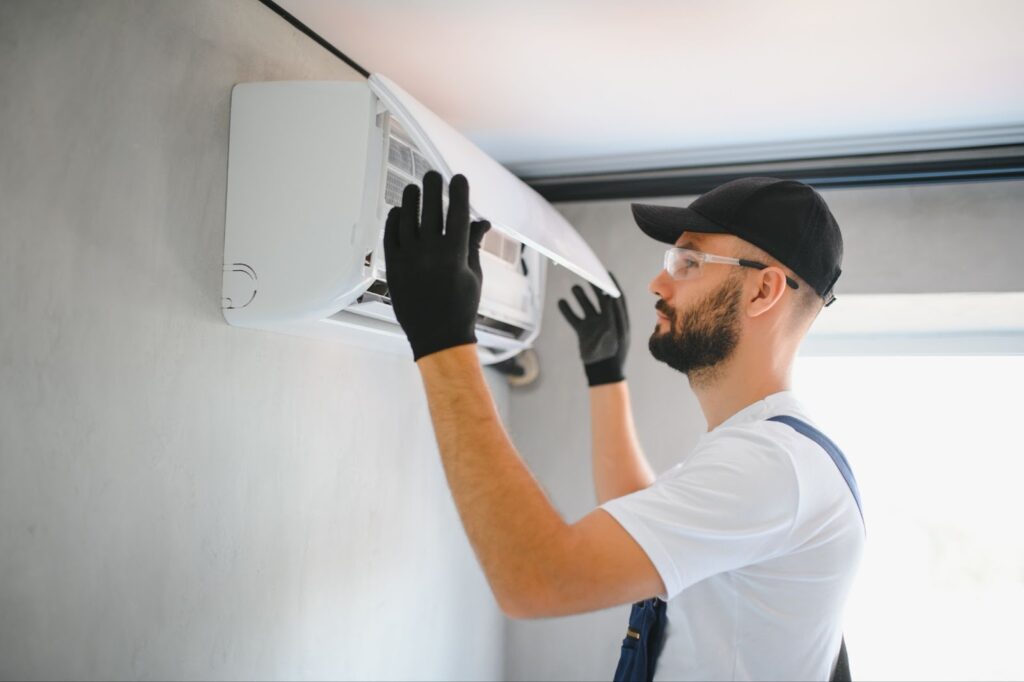
Your air conditioner depends on secure electrical connections to operate safely and efficiently. Wires, capacitors, relays, and terminals all work together to power the system and regulate performance. When these components loosen or corrode, they disrupt operation and increase the risk of breakdowns or electrical hazards.
Look for visible warning signs such as frayed wires, burn marks, or unusual smells around the unit. These signs often point to overheating or failing connections. Tight, clean wiring allows your AC to run smoothly and protects sensitive components from unnecessary stress.
Avoid opening the electrical panel or touching internal components unless you have professional HVAC training. Electricity presents serious safety risks, and mishandling wires can lead to injury or equipment damage.
Instead, schedule a licensed HVAC technician to inspect the system during your spring tune-up. Professionals test voltage, tighten connections, and check for worn parts to ensure your system meets safety standards and runs at peak performance.
Listen for unusual sounds or odors
When your air conditioner runs, it should operate quietly and smell clean. Your system may need immediate attention if you hear strange noises or notice unusual odors. Recognizing these early warning signs helps prevent costly repairs and protect your home’s comfort.
Grinding or screeching sounds often signal trouble with the fan motor or worn bearings. Buzzing may point to electrical problems, while rattling usually means something has come loose inside the unit. If you hear banging or clanking, a part might have broken off and could damage other components if left unchecked.
Pay attention to how your system smells, too. A musty odor often means mold or mildew is growing in your ductwork or near the evaporator coils. A burning smell could indicate overheated wires or melted insulation, which creates a serious fire hazard.
When you notice anything unusual, take action right away. Call a licensed HVAC technician to inspect your system and fix the problem before it worsens. Responding quickly keeps your AC running efficiently, avoids larger issues, and maintains a safe, comfortable home.
Schedule a professional tune-up
A professional HVAC tune-up gives your air conditioner the thorough care it needs to perform at its best. When you schedule a tune-up, a licensed technician examines, cleans, and tests every major component to ensure safe, efficient operation throughout the season.
During the visit, the technician cleans the condenser and evaporator coils, checks refrigerant levels, inspects electrical connections, tests safety controls, and lubricates moving parts. They also verify airflow, calibrate the thermostat, and look for signs of wear that could lead to breakdowns or reduced performance.
While changing filters and clearing vents help maintain your system, they don’t address the deeper mechanical and electrical components that impact long-term function. DIY efforts often miss subtle issues like low refrigerant or failing capacitors, which are problems that only trained professionals accurately detect and resolve.
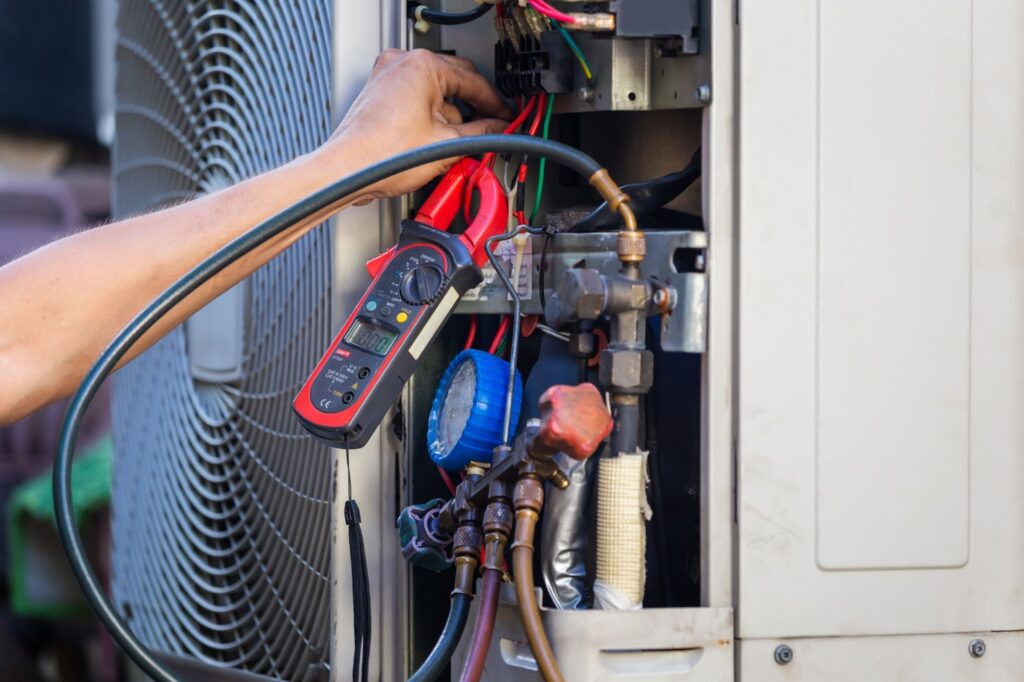
Let Paragon Service Pros get your AC ready for spring
When you want the job done right, trust the experts at Paragon Service Pros. Our skilled technicians deliver honest, high-quality service that puts your comfort first. We go beyond basic checkups to ensure every part of your system runs safely and efficiently, so you stay cool and stress-free all season.Contact Paragon Service Pros today to schedule your AC tune-up and experience the unmatched service your home deserves.
Do you know which HVAC refrigerant your home system uses?
Big changes are coming to home cooling, and they start on January 1, 2025. The HVAC industry will phase out older refrigerants like R-410A and replace them with modern, eco-friendly alternatives known as A2L refrigerants. These new refrigerants offer better efficiency and lower environmental impact — two big wins for homeowners.
If you plan to repair or replace your HVAC system, this shift matters more than ever. Choosing a system that meets the new standards helps you save on energy costs, avoid future compatibility issues, and stay ahead of evolving regulations.
Why the HVAC industry is changing
The new rules for the HVAC industry focus on reducing the use of high global warming potential (GWP) refrigerants, which contribute to greenhouse gas emissions and environmental harm.
Refrigerants like R-410A, once considered an improvement over earlier products, now face phaseout due to their significant impact on the atmosphere. With a GWP of 2,088, R-410A traps far more heat in the environment than carbon dioxide, making it a target for replacement in the effort to slow global warming.
The HVAC industry is transitioning to next-generation refrigerants with much lower GWP values to meet evolving standards and environmental goals. These new solutions reduce the carbon footprint of cooling systems and support long-term sustainability.
By avoiding outdated chemicals and adopting cleaner alternatives, manufacturers and contractors aim to create systems that are more efficient, environmentally friendly, and fully compliant with upcoming regulations.
This change directly affects homeowners, especially those looking to invest in a new HVAC system. Understanding why the industry is shifting helps you make better choices that align with both current requirements and future standards.
What is an A2L refrigerant?
A2L refrigerants mark a major step forward in HVAC technology. Designed for modern systems, these refrigerants reduce environmental impact without sacrificing performance. The “A2L” designation refers to a specific safety classification: low toxicity and mild flammability. When handled correctly by trained professionals, A2L refrigerants remain safe for everyday use in homes and businesses.
One of the biggest advantages of A2L refrigerants is their low global warming potential (GWP). For example, R-410A, commonly used in older systems, has a GWP of 2,088. A2L refrigerants cut that number significantly, making them a more climate-conscious choice for cooling and heating.
A2L refrigerants are mildly flammable, but only under controlled, rare conditions. With proper ventilation and professional installation, these systems operate safely and efficiently. The added safety protocols ensure peace of mind for homeowners while meeting strict environmental standards.
Beyond their eco-friendly profile, A2L refrigerants also deliver strong energy efficiency. They offer better heat transfer than many legacy refrigerants, which means HVAC systems can cool or heat your home faster while using less energy. That improved performance can lead to lower utility bills and a longer system lifespan.
Unlike older options like R-410A, A2L refrigerants align with today’s efficiency goals and tomorrow’s environmental regulations. By choosing an A2L-compatible system, you invest in cleaner technology that supports sustainable living without compromising comfort.
Meet the new refrigerants: R-454B and R-32
As the HVAC industry transitions away from high-GWP refrigerants like R-410A, two new options are leading the charge: R-454B and R-32. Both offer substantial environmental benefits, improved system efficiency, and strong manufacturer support. Understanding how they work and who uses them helps you make a smarter decision when choosing your next HVAC system.
R-454B: Goodman’s environmentally responsible upgrade
Goodman has adopted R-454B as its next-generation HVAC refrigerant. With a GWP of only 466, R-454B represents a significant drop from R-410A’s 2,088 rating. This change reduces your system’s environmental footprint while aligning with the latest federal regulations.
In addition to its low GWP, R-454B delivers impressive energy efficiency. Its performance helps HVAC systems cool your home more effectively while consuming less power. That translates to lower utility bills and less strain on your equipment. Goodman backs this refrigerant with a strong commitment to quality and innovation, ensuring that their systems stay reliable and future-ready.
R-32: Amana’s globally proven solution
Amana uses R-32, another powerful A2L refrigerant with a slightly higher GWP than R-454B, but still dramatically lower than R-410A. With a GWP of 675, R-32 offers a more sustainable choice while maintaining excellent cooling and heating performance.
R-32 has gained worldwide recognition for its efficiency and reliability. It offers superior heat transfer, which allows HVAC systems to reach target temperatures faster and operate more consistently. Its global use has also given manufacturers years of data and experience, reinforcing its role as a dependable and effective refrigerant.
Both R-454B and R-32 represent the future of HVAC. Whether you choose a Goodman or Amana system, you’ll benefit from reduced emissions, stronger performance, and full compliance with the 2025 refrigerant standards.
How the 2025 shift affects homeowners
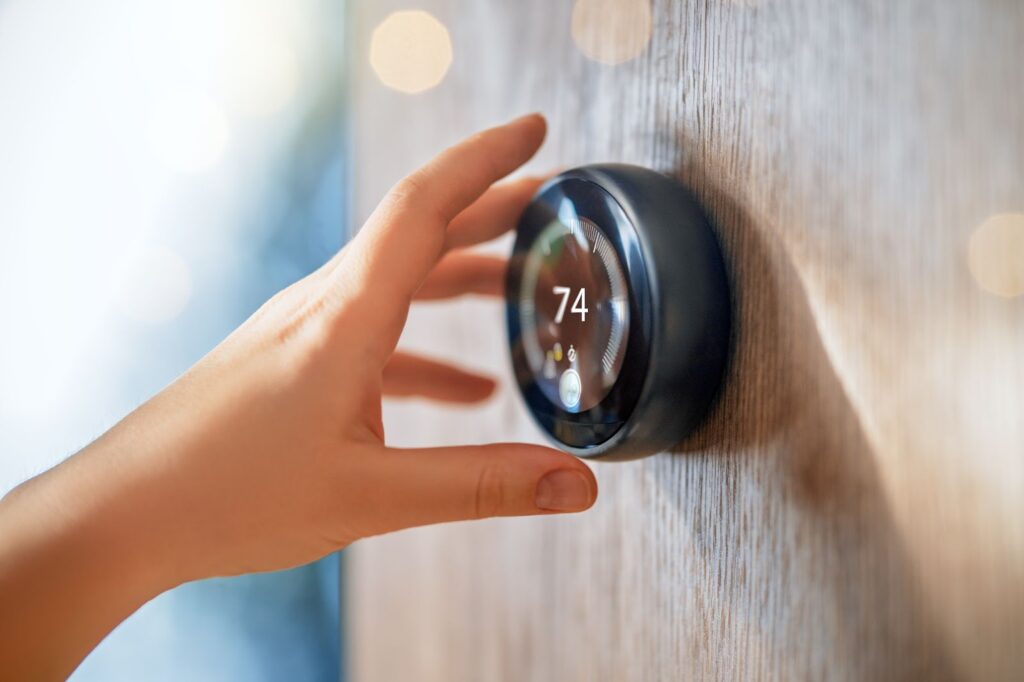
The 2025 refrigerant transition brings important changes for homeowners planning to upgrade or replace their HVAC systems. As older refrigerants like R-410A phase out, new systems will come equipped with low-GWP alternatives such as R-454B or R-32. These refrigerants support stronger energy performance and align with updated environmental standards.
If you plan to install a new air conditioner or heat pump, expect your contractor to recommend a system that uses one of these next-generation refrigerants. These units require proper ventilation and specific installation practices, so choosing the right equipment and installer matters more than ever.
Understanding refrigerant types helps you make smarter purchasing decisions. Not all systems are compatible with the new A2L refrigerants, and retrofitting old units may not be cost-effective or even possible. By learning how refrigerants impact efficiency and environmental impact, you can invest in a system that provides long-term value and lower operating costs.
To ensure a safe and smooth installation, work with a licensed HVAC contractor who has experience with A2L refrigerants. These professionals understand the new safety requirements and know how to properly handle, install, and maintain modern systems.
While the upfront cost of a new system may feel like a big step, the long-term benefits outweigh the investment. Newer units offer better temperature control, lower energy consumption, and fewer environmental risks.
As the industry shifts toward cleaner, more efficient cooling, homeowners who stay informed will enjoy a future-proof system designed for comfort, savings, and sustainability.
Safety and installation considerations
Safety becomes an important part of the conversation as the HVAC industry shifts to A2L refrigerants. A2L refrigerants carry a mild flammability rating, which sets them apart from older options like R-410A.
While this classification may raise questions, it does not mean these refrigerants pose a danger during everyday use. Under normal conditions, they remain stable and safe in both residential and commercial systems.
Proper handling and installation are key to safe operation. A2L refrigerants require adequate ventilation and specific safety protocols to ensure reliable performance. These systems also use equipment designed to meet strict standards, so following the manufacturer’s guidelines becomes essential for long-term success.
When choosing an HVAC contractor, ask if they are trained and certified to install systems that use A2L refrigerants. Not all technicians have the experience needed to work with these new materials. A qualified contractor should understand how to manage ventilation requirements, detect leaks, and follow safe charging procedures.
Also, consider asking the following:
- Are you certified to work with A2L refrigerants?
- Will my new system meet current safety and code requirements?
- How do you ensure proper ventilation during installation?
- What kind of training does your team have on these refrigerants?
Why upgrading now makes sense
If you’re thinking about replacing your HVAC system, now is the time to act. Upgrading to an A2L-compatible unit before the 2025 transition allows you to take full advantage of the newest technology, avoid installation delays, and lock in long-term savings.
Modern systems designed for A2L refrigerants offer impressive energy efficiency. These units use HVAC refrigerants with better heat transfer properties, allowing them to cool and heat your home faster while consuming less electricity. As a result, you spend less on monthly energy bills and reduce your household’s environmental impact.
Upgrading early also protects your investment. By installing a system that meets upcoming refrigerant standards, you avoid the risk of buying equipment that will soon become outdated. This future-proofing ensures your system remains serviceable and compliant for years to come.
Another smart reason to act now involves compatibility. Older systems often cannot support A2L refrigerants, and retrofitting them may not be possible or cost-effective. By switching to a system built for the new refrigerants, you avoid technical limitations and ensure smooth, efficient operation from day one.
Choosing to upgrade now puts you ahead of the curve. You gain access to better performance, cleaner technology, and peace of mind knowing your system meets the latest industry requirements.
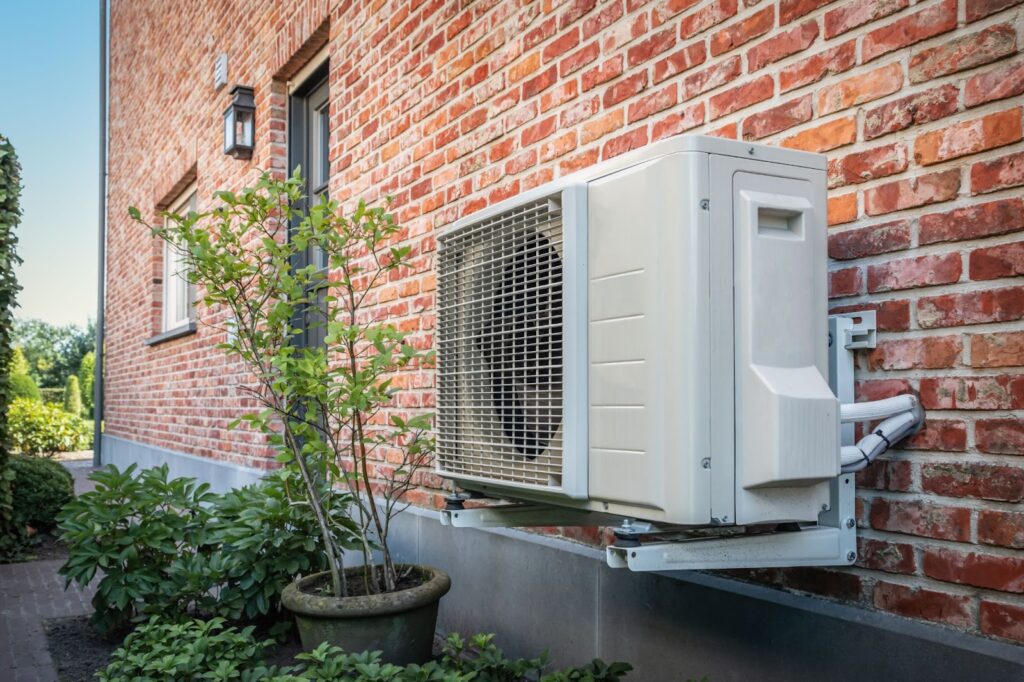
Let Paragon Service Pros be your guide
As HVAC standards evolve, you need a contractor who stays ahead of the curve. Paragon Service Pros delivers expert guidance, certified A2L-compatible installations, and honest service you can trust. If you’re upgrading your system, count on Paragon to provide future-ready solutions that prioritize performance, safety, and efficiency.
Schedule your consultation today and make the smart move for your home.
Your home’s comfort depends on how well your heating and cooling system performs. That’s where SEER ratings come into play. If you’ve shopped for a new air conditioner or heat pump, you’ve seen those numbers slapped on yellow energy labels.
But what do they actually mean? And how do they affect your monthly bills, system lifespan, and comfort levels?
Ratings directly impact how much energy your AC or heat pump burns through every time it kicks on. Let’s break it down and make sense of what those numbers mean for your home and wallet.
What does SEER stand for?
SEER stands for Seasonal Energy Efficiency Ratio. It measures how efficiently your AC or heat pump cools your home over a typical season. Think of it as a miles-per-gallon rating for your cooling system. The higher the number, the more efficiently it runs.
To get technical for a second, these ratings compare the total cooling output (in BTUs) during a season to the total electric energy input (in watt-hours). But you don’t need to memorize the formula. You only need to know this: higher SEER ratings mean less electricity wasted while keeping your home cool.
Why SEER ratings matter for homeowners
When you switch on your air conditioner in July or your heat pump during spring, your system starts pulling power. The rating tells you how hard it has to work to maintain that cool, comfortable air. A low SEER rating means the unit draws more electricity and costs more to run. A high SEER unit gets the same job done while using less power.
That efficiency matters every time your system runs. Whether you’re blasting AC during a heatwave or using your heat pump for light heating in the fall, the SEER rating affects how much you pay. That’s why understanding this type of rating helps you make smarter choices when it’s time for a new system or an AC service upgrade.
What’s the minimum SEER rating today?
The Department of Energy sets the standards for SEER ratings based on region. As of 2023, the minimum SEER for new air conditioners in the southern United States is 15. In northern states, the minimum is 14. These numbers help push manufacturers to build more efficient systems.

Older systems — especially those installed more than 10 years ago — might have SEER ratings as low as 8 or 10. That means they burn nearly twice as much power as today’s models. If your system’s running nonstop and your bills keep climbing, low SEER could be the reason.
How do SEER ratings impact energy costs?
Your air conditioner uses a lot of electricity. So when your system runs inefficiently, your bills spike fast. A higher SEER rating trims energy use every time the system cycles on.
For example, replacing a 10 SEER unit with a 16 SEER model could save you hundreds per year on cooling costs, depending on how often you use it. The bigger your house and the hotter your climate, the more you save. Over 10 to 15 years, the difference adds up.
That’s why professional AC service technicians always recommend checking these ratings when considering a replacement. The upfront cost might be higher, but the long-term savings hit your wallet where it counts.
SEER ratings and the environment
Lower SEER systems burn more electricity, which increases the demand for power plants. That drives up greenhouse gas emissions and strains the electrical grid. If you care about reducing your carbon footprint, higher ratings help you do your part without sacrificing comfort.
Every kilowatt-hour saved keeps fossil fuels in the ground. So, by upgrading to a system with a higher SEER, you’re saving money and reducing your home’s environmental impact.
What about heating? Does SEER matter for that, too?
These ratings focus on cooling efficiency, but they also apply to heat pumps during mild heating seasons. Heat pumps cool and heat, so SEER impacts their overall performance. When your heat pump runs in heating mode during spring or fall, its SEER rating still matters.
For heavier heating loads — like winter in colder climates — look at the HSPF rating (Heating Seasonal Performance Factor) instead. That number measures heating efficiency the same way SEER does for cooling. Still, any discussion about professional heating services should include both ratings to make sure your system delivers year-round.
Should you always choose the highest SEER?
Not necessarily. While higher ratings mean better efficiency, they also come with higher upfront costs. A 21 SEER unit might sound perfect, but it might take 10 years or more to recover the extra money you spent upfront — especially if you live in a cooler climate where the AC doesn’t run often.
The sweet spot for most homes falls between 14 and 18 SEER. It all depends on your budget, your climate, your home’s insulation, and how long you plan to live there. A qualified AC service technician helps you find the best match for your situation — not the priciest model on the lot.
How SEER affects HVAC system sizing
SEER ratings tie into how a technician sizes your system. You don’t want a unit that’s too large or too small. Oversized units cycle too frequently, wasting energy and wearing out parts. Undersized systems run nonstop and still fall short of cooling your home.
When sizing a system, technicians use these ratings, home size, insulation levels, window types, and even sun exposure. That’s why professional HVAC teams never guess — they calculate.
An experienced AC service provider runs these numbers before making a recommendation. That precision ensures you don’t overpay for energy or repairs down the road.
How SEER connects to maintenance and service
Even high-SEER systems lose efficiency if they don’t get regular care. Dust buildup, blocked airflow, refrigerant leaks, or dirty coils all lower your system’s performance. A 16 SEER unit might perform like a 12 SEER if neglected.
Professional AC service keeps your unit operating close to its intended efficiency. Seasonal maintenance includes coil cleaning, airflow checks, and thermostat calibration. These tasks don’t simply extend your system’s life — they also protect the efficiency you paid for.
The same goes for heating. A neglected heat pump drops in efficiency fast. Reliable heating service helps protect your investment, prevent breakdowns, and maintain steady performance.
SEER ratings and smart thermostats
Smart thermostats don’t directly affect ratings, but they do help your high-efficiency system work smarter. These devices learn your schedule, adapt to your habits, and avoid wasteful temperature swings.
Pairing a high-SEER unit with a smart thermostat multiplies the benefits. It ensures your system runs only when needed and stays off when you’re away. That reduces energy use, lowers bills, and stretches the lifespan of your HVAC equipment.
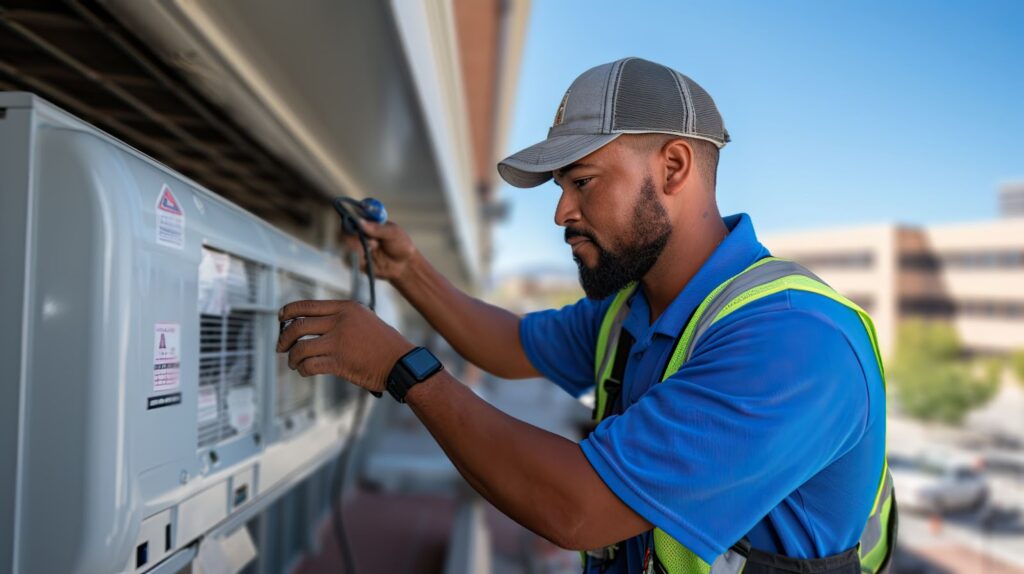
Common SEER rating myths to ignore
Myth #1: Higher SEER always means better comfort.
Not always. SEER measures efficiency, not power or performance. Even a high-SEER system won’t cool a poorly insulated home.
Myth #2: Upgrading the outdoor unit alone boosts SEER.
Wrong. To achieve an accurate SEER rating, indoor and outdoor units must match. Mixing parts throws off balance and wastes energy.
Myth #3: SEER ratings stay consistent forever.
They don’t. Dust, wear, and poor maintenance drag efficiency down over time. That’s why scheduled AC and heating service matters year after year.
What to ask during a system quote
When it’s time to install or replace your system, don’t accept a generic quote. Ask about the SEER rating of every option. Ask how long it takes to recover costs through energy savings. Ask what maintenance the system needs to keep its rating over time.
A strong provider answers with confidence. They walk you through the math, help you compare options, and guide you toward the right balance of performance, efficiency, and price.
How rebates and incentives tie into SEER
Many utility companies and state energy programs offer rebates for high-efficiency systems. To qualify, your equipment often needs to meet a certain SEER threshold.
Ask your AC or heating service provider about local incentives.
They’ll help you find rebates that make a high-SEER upgrade more affordable. These savings ease the upfront cost and speed up your return on investment.
What the future holds for SEER ratings
Technology keeps improving. The industry pushes for even more efficient systems that save money and lower emissions. In the next few years, new standards and test procedures may raise the bar again.
Staying ahead of those changes helps future-proof your home. Installing a system with a strong SEER rating now prepares you for better comfort, lower energy costs, and stronger resale value if you ever sell your house.
Final thoughts
These ratings might seem like small numbers on a label, but they carry serious weight. They affect how much energy your HVAC system uses, how much you pay on your electric bill, and how long your system lasts. Whether you’re due for a replacement or need routine AC or heating service, knowing your SEER rating helps you make smarter choices.
A system with the right SEER rating gives you better efficiency, stronger performance, and reliable comfort throughout every season. Talk to a trusted HVAC expert. Ask questions. Review the numbers. Make the kind of decision your future self will thank you for.
Stay comfortable year-round with help from Paragon Service Pros
When your home’s comfort depends on a well-running HVAC system, trust the team that knows how to keep it performing at its best. Paragon Service Pros delivers dependable heating and AC services built around your needs, not cookie-cutter solutions.
Our skilled technicians handle seasonal maintenance with precision, making sure your system stays efficient, safe, and ready for whatever weather hits. Don’t let surprise breakdowns disrupt your day. Stay ahead of the issues with expert care.
Book your HVAC service with Paragon Service Pros today — online or by phone at 385-396-5811 and keep your system running strong every season.
Choosing the right HVAC service provider isn’t something to take lightly. Your heating and cooling system keeps your home comfortable year-round, and one mistake from an unqualified tech could lead to breakdowns, higher energy bills, or even safety risks.
Whether you need emergency repairs, a new system, or regular maintenance, you want a team that gets it right the first time. But how do you know who to trust? Ask the right questions, and the answers will tell you everything.
What experience does the company have with your system?
Experience matters. Every HVAC system works a little differently, and newer models include smart features, variable-speed motors, and advanced filtration setups. Ask how long the company has offered professional HVAC services and what types of systems they’ve worked on.
Do they handle traditional gas furnaces and electric heat pumps? Have they installed ductless mini-splits or geothermal systems? Get clear examples. A real pro has seen it all and won’t hesitate to explain their hands-on experience with systems like yours.
Are they licensed, bonded, and insured?
Never skip this question. A licensed provider meets local requirements and proves they know building codes, safety standards, and proper installation techniques. Bonding guarantees financial protection when a contractor fails to finish the job or causes damage. Insurance shields you from costs if accidents or injuries happen on your property.
If a company avoids this question or gives a vague answer, walk away. Reliable HVAC service providers always carry proper credentials and stay transparent. Ask to see the documentation and verify it’s current. Your home deserves protection.
Do they offer 24/7 emergency service?
Heating or cooling problems don’t follow business hours. A failed air conditioner in July or a dead furnace in January needs attention fast. Ask if the company provides 24/7 emergency HVAC service and how quickly they respond.
Some providers promise around-the-clock help but take hours — or days — to show up. Find out what “emergency” really means to them. Ask about response time, after-hours fees, and whether real technicians answer the phone. A dependable team stays ready when you need them most.
Will they provide a written estimate?
A handshake won’t cut it. Always ask for a detailed, written estimate before agreeing to any work. The estimate should break down labor, parts, system specifications, and any additional fees. Avoid vague or verbal-only quotes.
Ask how long the quote stays valid and whether they offer financing. If the provider changes the price mid-job without a clear reason, that’s a red flag. Transparent pricing shows they respect your time, budget, and trust.
How do they size and recommend systems?
Proper system sizing makes or breaks performance. Too big, and your unit cycles too often. It is too small, and it struggles to keep up. Ask how the technician calculates the size of your home. If the answer involves guessing or using square footage alone, that’s not enough.
Look for providers who use Manual J load calculations. This method accounts for insulation, windows, layout, and more. Professional HVAC services base their recommendations on data, not assumptions. The right sizing ensures long-term comfort and energy savings.
Do they handle both installation and maintenance?
Some providers focus on installation but neglect long-term care. Others handle repairs but don’t install new systems. Ask what services they offer year-round.
Ideally, you want one company for installation, maintenance, and repair. That consistency saves you from juggling contacts and repeating your system history.
A full-service provider makes scheduling tune-ups easier, tracking performance, and catching problems early. Reliable, professional HVAC services offer complete care, not just one-time fixes.
How do they handle indoor air quality?
Today’s homes seal tight for efficiency — but that can trap pollutants inside. A professional HVAC service provider doesn’t stop at heating and cooling. They also focus on indoor air quality. Ask what options they offer for filtration, humidification, or ventilation.
Do they install whole-home air purifiers or UV lights? Can they recommend systems that help reduce allergens or odors? If clean air matters to you, choose a provider who treats it as part of the full HVAC picture, not an afterthought.
Do they run background checks on technicians?
You’re inviting strangers into your home, often while you’re away or busy. Ask if the company screens their technicians before hiring. Background checks and drug testing show the provider cares about safety and professionalism.
A quality HVAC service company invests in its team. They hire skilled, trustworthy people and train them to respect your space. When you open your door for a technician, you deserve peace of mind — not a gamble.
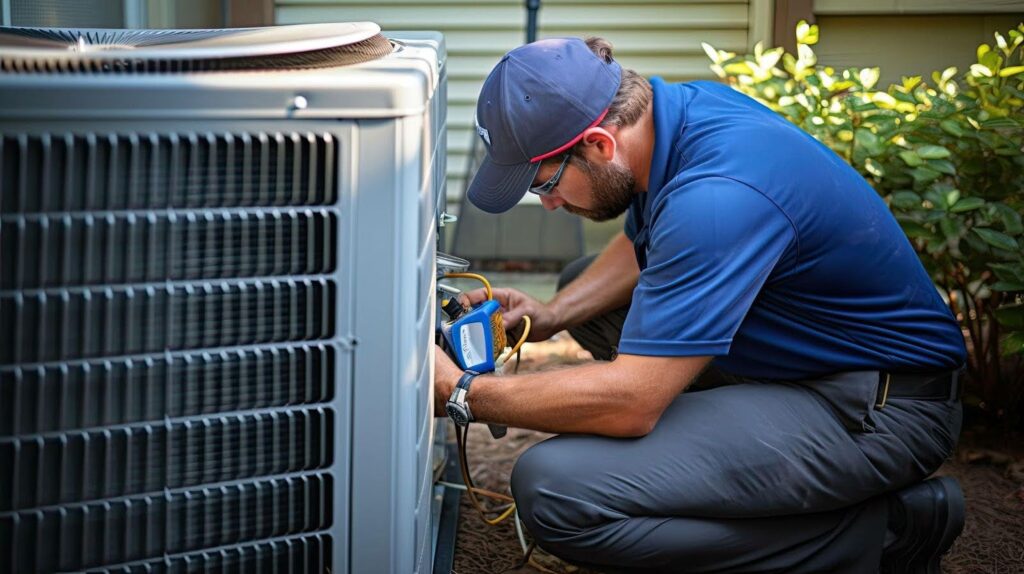
What’s included in a maintenance plan?
Schedule regular maintenance to keep your system efficient, safe, and durable. Ask the provider whether they offer a maintenance plan and what services it includes. Look for a clear list: seasonal inspections, filter checks, coil cleaning, refrigerant checks, and electrical testing.
A strong plan helps you avoid major repairs and catch issues early. Some providers include discounts, priority scheduling, or extended warranties with their plans. Ask how often they perform service and whether they remind you when to schedule.
Do they explain problems clearly?
Technical terms confuse people. A good HVAC provider breaks it down in plain language. Ask how they explain system issues, repair options, or replacement decisions.
Do they take the time to walk you through their findings? Can they show you photos or videos from inspections? The best professional HVAC services don’t pressure you. They teach, advise, and help you make informed decisions.
Do they offer custom solutions for unique homes?
Not every home fits the mold. Maybe you have historic ductwork, high ceilings, or limited space for outdoor units. Ask how the provider handles custom layouts or unusual challenges.
A solid HVAC service company embraces tough setups and finds creative, effective solutions. They ask questions, inspect thoroughly, and present multiple options when possible. Cookie-cutter answers don’t work for complex homes.
Do they offer references from past customers?
Ask for names or contact info from a few past customers—especially those with similar systems or homes. Talking to real people gives insight into how the company performs under pressure.
Did the job finish on time? Were the technicians respectful? Has the system held up well? Reputable companies feel proud to connect you with happy clients. If they hesitate, something’s off.
How do they handle post-installation support?
The job doesn’t end after installation. Ask what happens next. Do they check in after a few weeks? Do they offer a post-install walkthrough or follow-up service call?
A company that stays in touch proves they care about long-term satisfaction, not just the invoice. Great professional air conditioning providers take responsibility beyond day one.
Do they prioritize energy efficiency?
Energy-efficient HVAC systems reduce utility bills and protect the environment. Ask if the provider offers high-efficiency models, smart thermostats, or duct sealing services. Do they assess your home’s energy use before recommending upgrades?
Top HVAC providers always focus on long-term savings. They understand rebates, energy ratings, and the latest tools for cutting consumption. That focus on efficiency saves money and supports sustainability.
Final thoughts
Choosing the right HVAC service provider starts with asking sharp questions and demanding honest answers. You need more than fast repairs or flashy ads. You need experience, accountability, clear communication, and long-term support.
Whether you’re booking regular maintenance, installing a new system, or dealing with an unexpected issue, don’t settle for guesswork.
Professional HVAC services protect your comfort, your safety, and your investment. Take your time, ask the tough questions, and find a team that earns your trust every step of the way.
Choose the right HVAC service provider with Paragon Service Pros
Your HVAC system deserves more than a quick fix or a rushed installation. Choosing the right team makes all the difference. At Paragon Service Pros, we bring expert HVAC service that prioritizes efficiency, performance, and long-term reliability.
Our skilled technicians take the time to understand your system, deliver precise diagnostics, and perform the kind of detailed maintenance that keeps your equipment running strong year after year. From reducing energy costs to preventing surprise breakdowns, we focus on protecting your comfort and investment.
Don’t settle for guesswork or shortcuts. Trust Paragon Service Pros for professional HVAC service you can count on.
Call Paragon Service Pros at 385-396-5811 today or book online and make the smart choice for your home.
Your HVAC system keeps your home comfortable, but it works best when every part stays clean and functional, especially the filter. Replacing filters doesn’t take much time, but skipping this simple step causes major problems.
Dirty filters block airflow, strain the system, and fill your home with airborne junk. Whether you handle maintenance yourself or schedule professional air conditioning service, fresh filters make all the difference. If you’re wondering whether it really matters, here’s why replacing should always stay at the top of your to-do list.
1 – Improve indoor air quality fast
Dirty HVAC filters collect dust, pollen, mold spores, pet dander, and other pollutants. When the filter clogs, those particles blow straight through your vents and into the air you breathe. That’s bad news for everyone, especially kids, older adults, and anyone with asthma or allergies.
Replacing filters on a regular basis traps more airborne contaminants and keeps them out of your home. Cleaner air means fewer sniffles, less coughing, and easier breathing for everyone under your roof. Don’t let a clogged filter turn your home into a dust storm. Clean filters make a significant impact on indoor air quality.
2 – Lower your energy bills
Clogged HVAC filters make your system work overtime. When airflow gets restricted, the fan and compressor have to push harder to circulate air. That extra effort burns more energy, which means higher utility bills.
Replacing filters allows air to move freely through your vents. The system doesn’t have to fight against a wall of dirt to keep you comfortable. Less energy use equals lower monthly bills. If you’re looking for quick energy savings without big upgrades, start by swapping out that dirty filter.
3 – Reduce wear and tear on your system
When airflow drops, the entire HVAC system feels the strain. Motors run longer. Coils overheat. Parts wear out faster than they should. All this extra stress shortens the life of your system.
Replacing protects key components by keeping airflow steady and consistent. The fan motor doesn’t have to work harder than necessary, and the compressor doesn’t risk burnout. Taking care of your HVAC filters reduces long-term repair costs and keeps your system running strong.
4 – Extend the life of your HVAC system
Your HVAC system isn’t cheap. Whether heating or cooling, that equipment should last 10 to 20 years with proper care. Replacing filters plays a major role in reaching that full lifespan.
Dirty filters cause breakdowns that lead to costly repairs or early replacements. Fresh filters keep everything running smoothly, so your system doesn’t wear out before its time. Replacing filters might seem minor, but it adds years to your equipment’s life.
5 – Stop airflow issues before they start
Ever notice one room feels stuffy while another stays cool? That imbalance often comes from poor airflow. Blocked filters disrupt how air moves through your system, making certain parts of your home uncomfortable.
Replacing filters clears the way for balanced airflow. Your vents push out consistent air, keeping every room close to your desired temperature. Whether it’s a tiny apartment or a multi-story home, clean HVAC filters help your system distribute air more evenly.
6 – Avoid frozen coils
When filters clog, less air flows over the evaporator coils. That lack of airflow causes condensation to freeze on the coils. Over time, the ice builds up and blocks airflow, leading to poor performance or complete system shutdown.
Replacing prevents coil freezing by allowing proper air movement. The coils stay dry and do their job—pulling heat from the air without turning into a block of ice. Keeping those filters fresh keeps your system from locking up when you need it most.
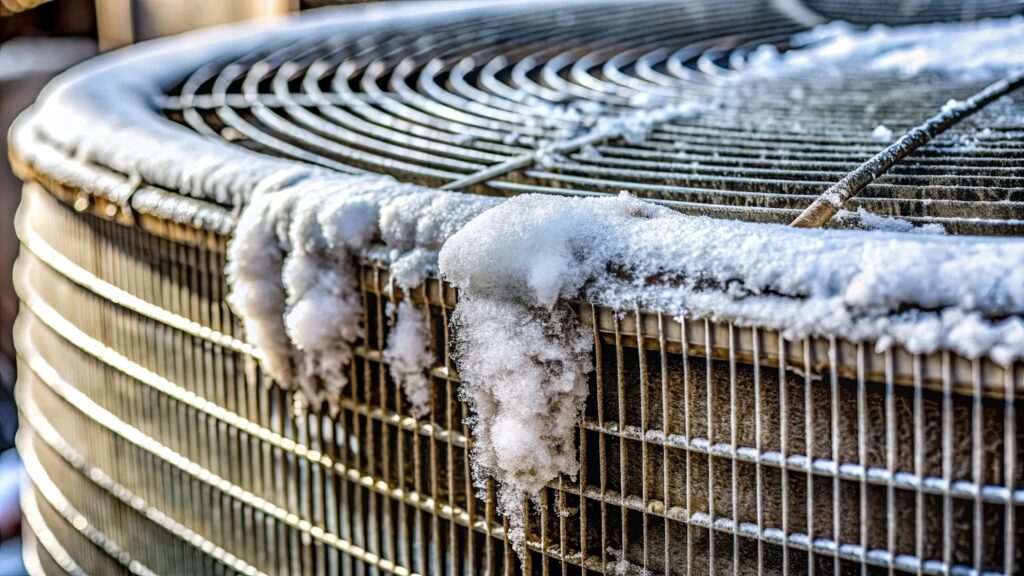
7 – Spend less on maintenance calls
Clogged filters lead to problems that require professional air conditioning service. Overheated motors, frozen coils, and uneven cooling bring technicians to your home more often than necessary.
Replacing filters cuts down on those calls. You’ll still need routine maintenance, but you won’t deal with as many surprise visits or expensive emergency repairs. Keeping your filters clean means your system needs fewer fixes and performs better every season.
8 – Reduce system noise
Dirty filters make your HVAC system noisier. When airflow gets blocked, the fan kicks into overdrive, trying to move air. That strain leads to buzzing, rattling, or whooshing noises that echo through your vents.
Replacing filters eases that pressure. With smooth airflow, the system runs quieter and more efficiently. No more loud surges when the AC kicks on. Clean filters help your home feel peaceful and comfortable—without the background roar of a stressed-out system.
9 – Boost system performance during peak seasons
Summer heat and winter chills push your HVAC system to its limits. During these high-demand seasons, your equipment needs to operate at full power without struggling to keep up.
Replacing filters before peak usage keeps everything running at maximum efficiency. Whether blasting cold air in July or pumping heat in January, a clean filter helps your system meet the challenge. Don’t wait for your unit to fail on the hottest or coldest day of the year. Prepare early with fresh HVAC filters.
10 – Help your thermostat work more accurately
When airflow drops, your HVAC system struggles to reach the temperature on your thermostat. The unit runs longer trying to meet your settings, which raises bills and wears out components.
Replacing helps the system reach set temperatures faster and hold them longer. That accuracy prevents short cycling, reduces energy waste, and keeps you more comfortable. A reliable thermostat depends on proper airflow, and that starts with clean filters.
11 – Improve humidity control
Your HVAC system does more than heat and cool—it also manages humidity levels. Clogged filters mess with this process by limiting airflow across the evaporator coil. Poor air circulation reduces the system’s ability to remove moisture from the air.
Replacing filters ensures that the system pulls enough air to regulate humidity effectively. Balanced moisture levels reduce mold risk, protect wood furniture, and make your home feel cooler in summer without cranking the thermostat.
12 — Cut back on dust buildup in your home
If you’re constantly wiping down surfaces or battling dust bunnies, your HVAC filter might be the reason. When filters clog, dust slips past and settles on furniture, floors, and electronics.
Replacing filters traps more dust before it spreads through your vents. That means less cleaning, fewer allergens in the air, and a more comfortable home overall. Cleaner air leads to cleaner surfaces—and fewer sneezing fits.
13 – Improve airflow for professional air conditioning service
During professional air conditioning visits, technicians test airflow, check static pressure, and assess system performance. A dirty filter throws off those readings and hides underlying issues.
Replacing filters before your service call gives technicians a clear view of your system’s actual performance. That accuracy helps them diagnose problems faster and recommend better solutions. Clean filters make professional air conditioning service more effective and more valuable.
14 – Support better efficiency ratings
Your HVAC system comes with an efficiency rating — SEER for cooling and AFUE for heating. That rating depends on ideal conditions, including proper airflow. When filters clog, the system falls short of those numbers.
Replacing filters keeps the system operating near its original efficiency rating. That means more output per watt, better performance, and less waste. Don’t let a clogged filter rob your system of its potential.
15 – Make your HVAC maintenance easier
HVAC maintenance requires clean components and smooth airflow. Clogged filters complicate everything, forcing technicians to work harder during inspections and cleanings.
Replacing regularly keeps the rest of the system cleaner, reducing buildup on coils, blowers, and fans. That simplifies maintenance and helps techs finish faster. If you want smooth seasonal checkups, clean your filters before your appointment.
Final thoughts
Replacing filters doesn’t cost much, but skipping it costs you comfort, money, and peace of mind. Clean HVAC filters improve air quality, lower energy bills, and reduce the risk of breakdowns.
They protect your system, extend its life, and help professional air conditioning technicians do their job right. Don’t wait for problems to show up. Make filter replacement a regular habit and enjoy the benefits all year long.
Keep your HVAC system running strong with Paragon Service Pros!
Our experienced technicians provide detailed maintenance that boosts efficiency, lowers energy costs, and helps prevent expensive breakdowns. With regular tune-ups from Paragon Service Pros, your system stays reliable, lasts longer, and keeps your home comfortable no matter the season.
Stop problems before they start — book your HVAC service with Paragon Service Pros today and ensure your system performs at its best all year!
When temperatures rise, a reliable air conditioning system keeps your home comfortable. Ignoring seasonal air conditioning preparation leads to higher energy bills, poor performance, and unexpected breakdowns.
A few key steps ensure your system runs efficiently before the heat sets in. Whether you handle basic maintenance or schedule professional air conditioning service, preparing early makes a big difference.
Inspect and replace air filters
Dirty air filters restrict airflow, making your system work harder to cool your home. Clogged filters reduce efficiency, increase energy costs, and strain critical components unnecessarily.
Check your air filter at the start of the cooling season. If it looks dirty or clogged, replace it immediately. Most filters should be changed every one to three months, depending on usage and household conditions.
Clean the condenser unit
The outdoor condenser unit plays a crucial role in air conditioning preparation. Leaves, dirt, and debris collect around the unit, blocking airflow and forcing the system to work harder. This buildup reduces efficiency and shortens the lifespan of your equipment.
Start by clearing the area around the condenser. Remove any leaves, grass clippings, or overgrown vegetation within two feet of the unit. Use a hose to rinse off dirt from the fins. Avoid high-pressure water, which bends the fins and restricts airflow.
If the fins appear damaged, use a fin comb to straighten them carefully. Keeping the condenser clean helps the system cool more effectively and prevents unnecessary strain.
Check refrigerant levels
Low refrigerant levels cause cooling issues and increase energy consumption. A properly charged system maintains consistent temperatures without overworking the compressor.
Look for signs of refrigerant problems, such as warm air blowing from vents, ice buildup on the coils, or hissing sounds near the unit. If you suspect low refrigerant, schedule a professional air conditioning service.
Certified technicians check for leaks, recharge refrigerant levels, and ensure the system meets manufacturer specifications. Ignoring refrigerant issues leads to compressor damage, which results in costly repairs.
Test the thermostat
A faulty thermostat affects cooling efficiency and leads to uneven temperatures. Test the thermostat before the cooling season begins to confirm it responds correctly.
Set the thermostat to cooling mode and lower the temperature.
Listen for the system to activate and check that cool air flows from the vents. If the thermostat fails to respond, replace the batteries or inspect the wiring connections. Upgrading to a programmable or smart thermostat improves energy efficiency by adjusting temperatures based on your schedule.
Inspect and clean evaporator coils
Evaporator coils absorb heat from indoor air, making them essential for proper cooling. Over time, dust and grime collect on the coils, reducing efficiency and increasing energy costs.
Turn off the system and access the coils inside the air handler. Use a soft brush or vacuum attachment to remove surface dirt. For deeper cleaning, apply a no-rinse coil cleaner. Keeping the coils clean prevents system strain and ensures cool air circulates efficiently.
Clear the condensate drain line
A clogged condensate drain line causes water buildup, leading to leaks and potential mold growth. Regular maintenance prevents drainage issues and keeps moisture levels in check.
Locate the drain line near the indoor air handler. Flush it with a mixture of vinegar and water to dissolve any blockages. If the line remains clogged, use a wet/dry vacuum to remove debris. Preventative cleaning stops water damage and keeps the system running smoothly.
Seal and insulate ducts
Leaky ducts waste energy by allowing cool air to escape before reaching living spaces. Gaps and cracks in ductwork force the system to work harder, raising energy bills and reducing comfort.
Inspect exposed ducts for visible damage. Use foil tape or mastic sealant to patch small leaks. Insulating ducts in unconditioned areas, such as attics or crawl spaces, improves efficiency by keeping cool air contained. Properly sealed ducts ensure even cooling throughout your home.
Check electrical connections
Faulty electrical connections create performance issues and safety hazards. Worn-out wiring, loose terminals, or damaged capacitors lead to system failure or short circuits.
Turn off power to the system before inspecting electrical components. Check for loose or frayed wires and listen for buzzing noises, which indicate electrical issues.
If you notice signs of wear, schedule a professional air conditioning service to prevent further damage.
Ensure proper airflow from vents
Blocked vents and registers reduce airflow, making it harder for the system to cool your home efficiently. Furniture, curtains, and rugs often obstruct vents, leading to uneven temperatures.
Schedule professional air conditioning maintenance
While regular upkeep improves performance, scheduling a professional air conditioning service ensures the system operates at peak efficiency. Experienced technicians perform a thorough inspection, identifying potential issues before they turn into major problems.
During a professional tune-up, technicians check refrigerant levels, test electrical components, clean coils, and optimize system performance. A professional service visit reduces the risk of breakdowns and maximizes energy savings throughout the cooling season.
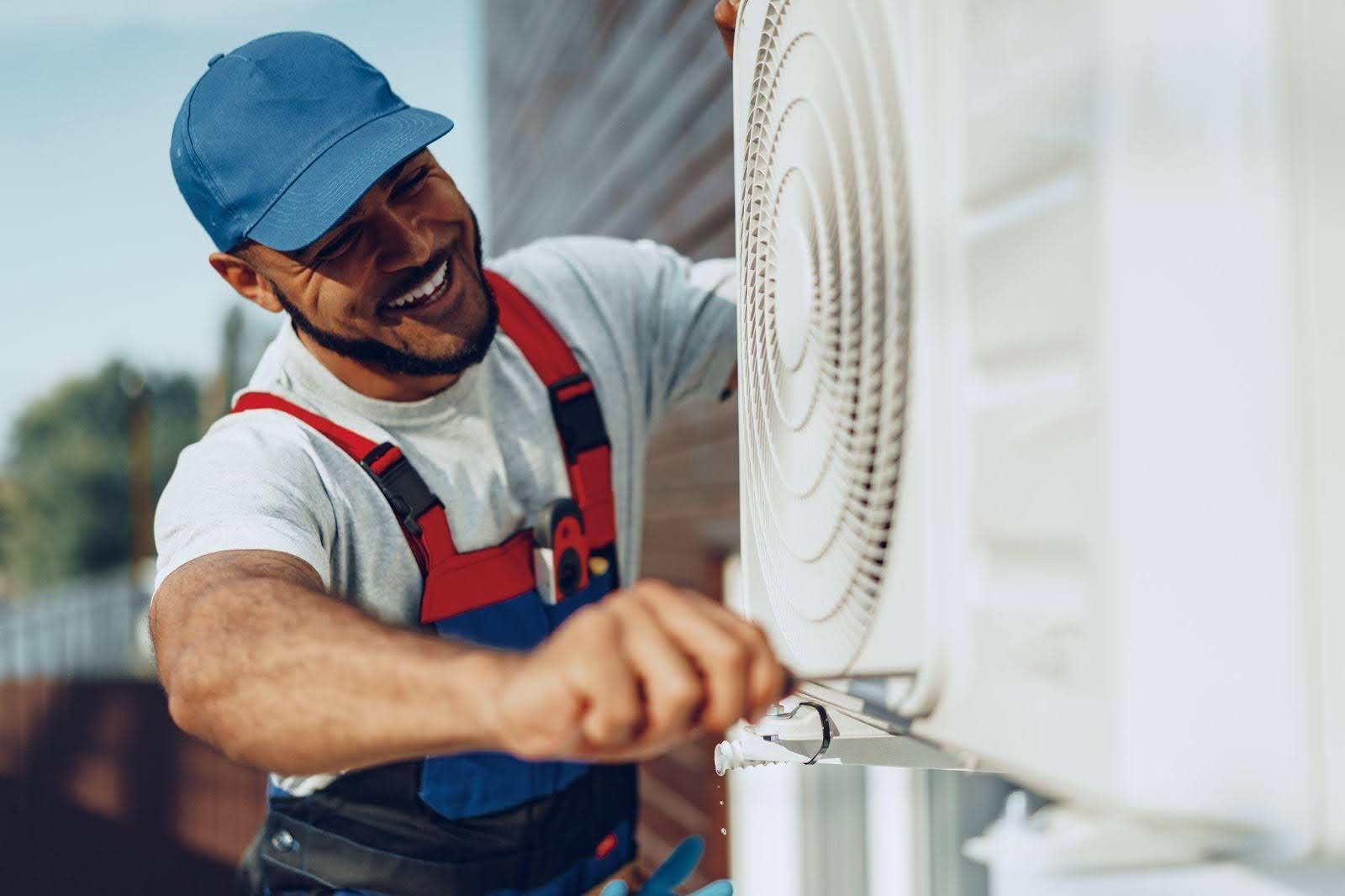
Improve home insulation for better efficiency
Even a well-maintained system struggles if your home lacks proper insulation. Heat enters through poorly insulated walls, ceilings, and windows, forcing the system to run longer to maintain a comfortable temperature.
Seal gaps around doors and windows to prevent cool air from escaping. Adding insulation to attics and crawl spaces helps regulate indoor temperatures, reducing strain on the air conditioner. A well-insulated home allows the system to operate efficiently while lowering energy costs.
Use ceiling fans to reduce cooling demand
Ceiling fans improve airflow, making rooms feel cooler without overworking the air conditioner. Using fans with the system allows you to set the thermostat a few degrees higher without sacrificing comfort.
Set ceiling fans to rotate counterclockwise during the summer months. This direction pushes cool air downward, creating a breeze that enhances cooling. Reducing reliance on air conditioning lowers energy consumption and extends system life.
Monitor energy bills for signs of inefficiency
A sudden spike in energy bills signals an issue with your cooling system. Rising costs often indicate airflow restrictions, refrigerant leaks, or failing components.
Compare your monthly energy usage to previous years.
If bills increase without an apparent reason, inspect the system for problems. Addressing inefficiencies early prevents further strain and reduces long-term costs.
Avoid overworking the system with proper temperature settings
Keeping your thermostat at the right temperature prevents unnecessary strain on your system and lowers energy bills. Setting it too low forces the unit to work harder, increasing wear and costs.
Last thoughts
Seasonal air conditioning preparation improves efficiency, lowers energy costs, and extends the life of your system. Simple steps like replacing filters, cleaning coils, and checking refrigerant levels make a significant impact on performance.
Scheduling professional air conditioning service ensures everything operates at peak capacity before the summer heat arrives. Taking proactive measures keeps your home comfortable while reducing the risk of expensive repairs. Start preparing early to enjoy a reliable and efficient cooling season.
Stay comfortable year-round with Paragon Service Pros
Keeping your home’s heating and cooling system in top shape starts with expert care. Paragon Service Pros delivers reliable HVAC maintenance, ensuring your system stays efficient and ready for every season. Our skilled technicians handle everything from routine tune-ups to in-depth inspections, so you never have to worry about unexpected breakdowns.
Don’t let small issues turn into costly repairs. Schedule your seasonal HVAC maintenance with Paragon Service Pros today and enjoy the comfort of a system that works when you need it most. Contact Paragon Service Pros now or book online to get started!